Metal roofing is one of the most durable and resilient roofing materials available in Australia, trusted for its strength, longevity, and energy efficiency. Yet one question continues to surface among homeowners, do metal roofs attract lightning?
With the increasing number of homes installing Starlink dishes and other aerial equipment, the concern about lightning strikes has grown.
Let’s look at the facts and see why metal roofing, antennas, and satellite systems are actually much safer than many people think.
Do Metal Roofs Really Attract Lightning?
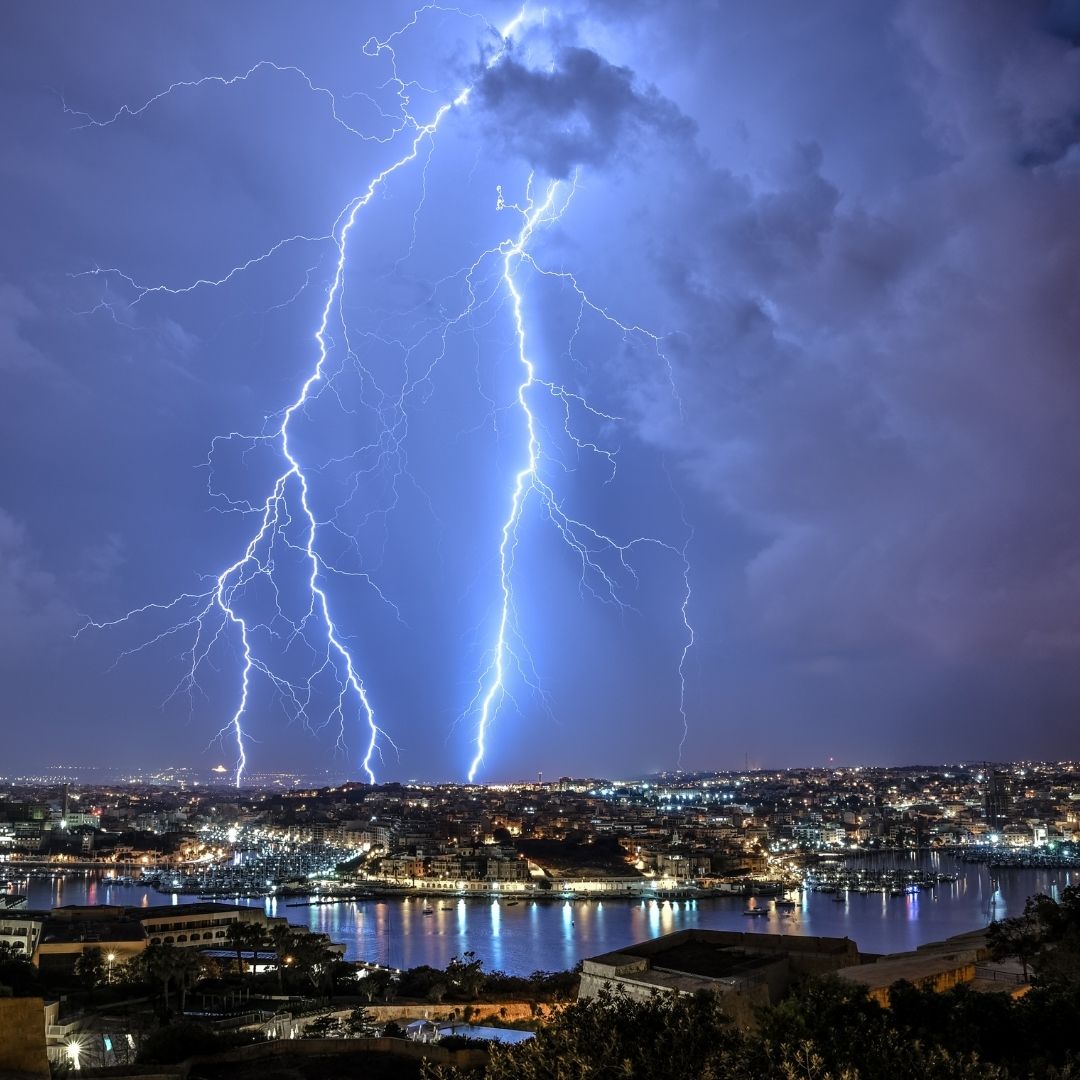
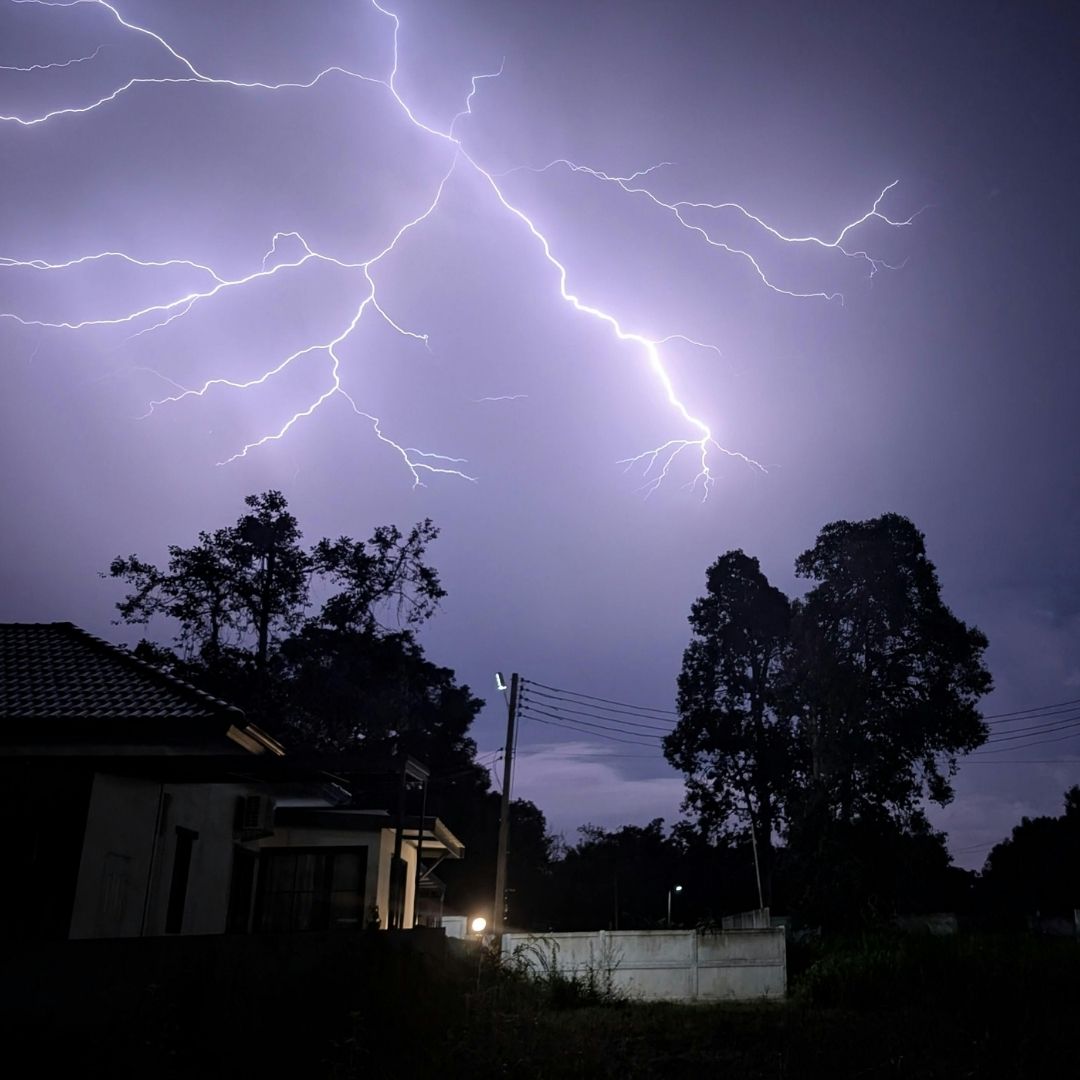
Despite the common myth, a metal roof does not attract lightning. Lightning is drawn to the highest point in an area, not the type of material. It follows the path of least resistance to reach the ground, which is why it tends to strike tall objects like trees, poles, or antennas.
If a home with a metal roof is struck, the good news is that metal disperses energy safely. Unlike tile or timber roofs, metal does not ignite or burn. Instead, the electrical charge spreads quickly across the surface and dissipates harmlessly into the ground (especially when the building’s grounding system is properly installed).
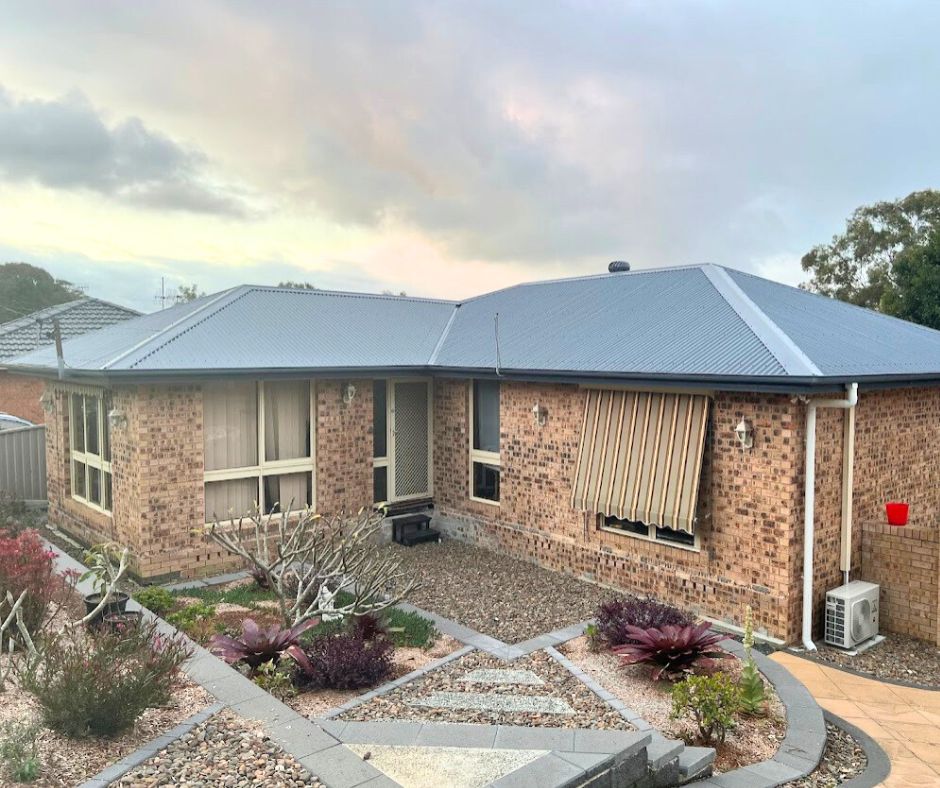
In short, a Colorbond® roof won’t make your home more likely to be struck by lightning, and if it ever is, it’s the safest material to have overhead.
Do Aerials or Starlink Dishes Attract Lightning?
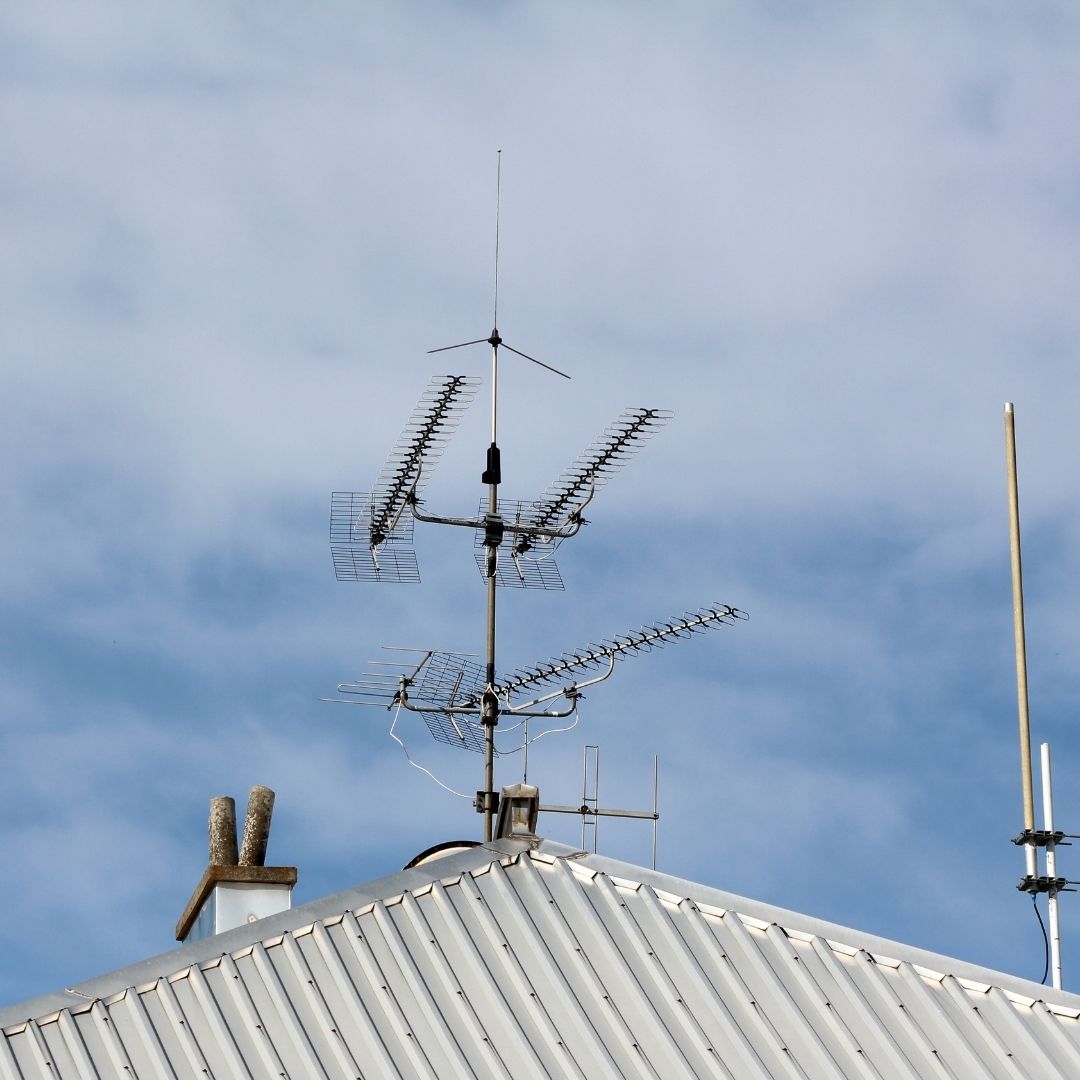
Just like metal roofs, aerials, antennas, and Starlink dishes do not attract lightning on their own. Lightning isn’t drawn to metal, it’s drawn to height and isolation.
If a dish or antenna is the tallest point on your property, it may become the easiest path for a strike. However, this happens because of its position, not because it’s made of metal.
Safety best practices include:
- Ensuring the dish or antenna is professionally installed and grounded according to AS/NZS 1768 lightning protection standards.
- Bonding or grounding the system so any electrical surge safely travels to earth without damaging equipment or your home.
- Avoiding isolated, ungrounded poles that extend far above the roofline.
When installed properly, a Starlink dish or roof-mounted aerial on a Colorbond® roof is completely safe, even during severe electrical storms.
The Safety Advantages of Metal Roofing
Beyond lightning safety, metal roofing provides a range of built-in protection features:
- Fire Resistance: Metal is non-combustible and ideal for bushfire-prone areas.
- Storm Durability: Withstands hail, wind, and heavy rain better than many other materials.
- Corrosion Protection: Colorbond® coatings defend against rust, even in salty coastal air.
- Energy Efficiency: Reflective coatings help reduce heat absorption in summer.
- Structural Lightness: Metal is lighter than tiles, reducing strain on the roof frame.
Maintaining Safety and Performance
For complete peace of mind, regular inspections ensure your roof and any mounted equipment remain safe:
- Check flashings, fixings, and sealants after storms.
- Keep gutters and valleys clear to avoid overflow.
- Confirm any antenna installation remains properly grounded.
AWS Roofing provides professional inspections and roof replacements across the Central Coast, Newcastle, and Hunter regions, ensuring every roof performs safely and efficiently.

Final Thoughts
A metal roof doesn’t attract lightning, it actually helps protect your home from it. Combined with professional installation and proper grounding for any roof-mounted equipment, a Colorbond® metal roof offers one of the safest, most reliable, and longest-lasting roofing systems available in Australia.
For professional metal roofing installation or replacement, contact AWS Roofing, trusted experts in durable and compliant roofing systems across NSW.


Our Services
Get A Free Quote
Contact us today for a free, no-obligation quote on your roofing project.