

The honest answer: for most Central Coast homes near trees, yes, a good gutter guard pays for itself in less ladder work, fewer blockages, and a longer-lasting gutter.
But they’re not magic. No guard gives 100% protection, you’ll still need the gutters checked occasionally, and a cheap plastic mesh can do more harm than good. This guide covers the types, the real benefits, the bushfire rules that apply here, and the limitations an honest installer should tell you about.
No guard is 100% effective, so be wary of anyone promising you’ll “never clean your gutters again”.
This article is about choosing and installing gutter guards. For a look at your specific gutters, that’s what a free inspection is for.

The Bottom Line
Gutter guards keep leaves, twigs, and litter out so gutters don’t clog and overflow, which matters a lot under eucalyptus.They cut maintenance and reduce risky ladder work, but they don’t eliminate cleaning entirely.
They help protect your home in bushfire-prone areas, but the guard must match your BAL rating and be non-combustible.
Quality matters: avoid cheap plastic or poly mesh, which can be a fire hazard and a false economy.
What Are Gutter Guards and What Do They Actually Do?
Gutter guards, also called leaf guards, gutter covers, or gutter screens, are a barrier fitted over your gutters to stop leaves, twigs, dirt, and debris building up and causing blockages. Water still flows into the gutter; the debris is kept out or shed off the top. On the Central Coast, where eucalyptus and coastal winds drop a steady load of litter into gutters, that barrier is the difference between an annual clean-out and a clogged, overflowing gutter every storm.
The core job is simple: keep the gutter clear so water goes where it should, away from your roof, fascia, and foundations, instead of backing up and spilling over.
What Types of Gutter Guard Are There?
There’s no single “gutter guard”. The main types each suit different debris, budgets, and roofs:
- Mesh guards: metal or plastic mesh that keeps out smaller debris like leaves and twigs. A common, cost-effective option.
- Micro-mesh guards: a premium mesh with finer filtration that blocks almost all debris. The most expensive option and best installed professionally.
- Surface-tension (helmet-style) guards: these use surface tension to let water curl into the gutter while debris is deflected off the edge. Best installed professionally to work as intended.
- Flat-louvred screens and metal or plastic covers: simpler covers that shed bulk debris.
- Ember guards: fine metal mesh (small aperture) designed specifically for bushfire protection, which is a separate consideration to general leaf control (covered below).
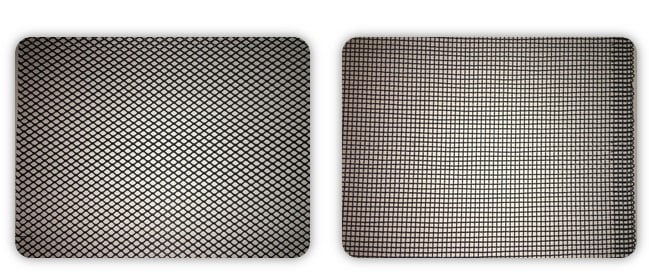
How do you pick the right type?
The right guard depends on a handful of practical factors: the kind of debris most common around your home, your gutter size, your roof pitch, the material (metal holds up far better than plastic), how much maintenance you’re willing to do, and your budget. A guard that’s perfect under a paperbark may be the wrong choice under a pine. This is exactly the kind of thing worth getting a professional read on rather than guessing off a hardware-store box.
Why Bother? The Real Benefits
A good gutter guard earns its place in a few concrete ways:
- Stops clogging and overflow: debris can’t build up and force water back under the roofline or over the edge into walls and foundations.
- Cuts maintenance and ladder work: far less manual clearing, which also means less time on a ladder, the single biggest safety risk in gutter upkeep.
- Extends gutter life: by keeping moisture and debris from sitting in the gutter, guards slow the rust and corrosion that kill gutters early, and they remove the weight of wet debris that drags gutters away from the fascia.
- Keeps rainwater cleaner: if you harvest rainwater, a guard keeps the supply freer of leaf litter and contaminants.
- Reduces pests: less standing debris and water means fewer nesting spots for birds, rodents, and insects, and fewer mosquito breeding sites.
What happens if you skip them?
Neglected gutters are a slow, expensive problem. Clogged gutters overflow, and that water finds its way into roof timbers, rotting fascia and battens. Over time you get internal water damage, foundation settling and cracking as water pools where it shouldn’t, and pest and mosquito habitats in the standing debris. Heavy, wet build-up can also bend gutters or pull them clean off the house. None of that is cheap to fix, which is the real argument for getting ahead of it.

Gutter Guards and Bushfire: the BAL Rules
In bushfire-prone parts of the Central Coast, a gutter guard isn’t just about leaves, it’s part of your home’s ember defence, because dry debris in a gutter is exactly what embers ignite. But the guard has to be right for your risk level.
Bushfire protection in Australia is governed by the Bushfire Attack Level (BAL) system and the standard AS3959. The practical points:
- Lower BAL ratings (BAL-LOW up to BAL-19) can generally use standard guards.
- Higher ratings require fire-resistant, non-combustible materials.
- The highest-risk zones (BAL-FZ, flame zone) require specialised, certified guards.
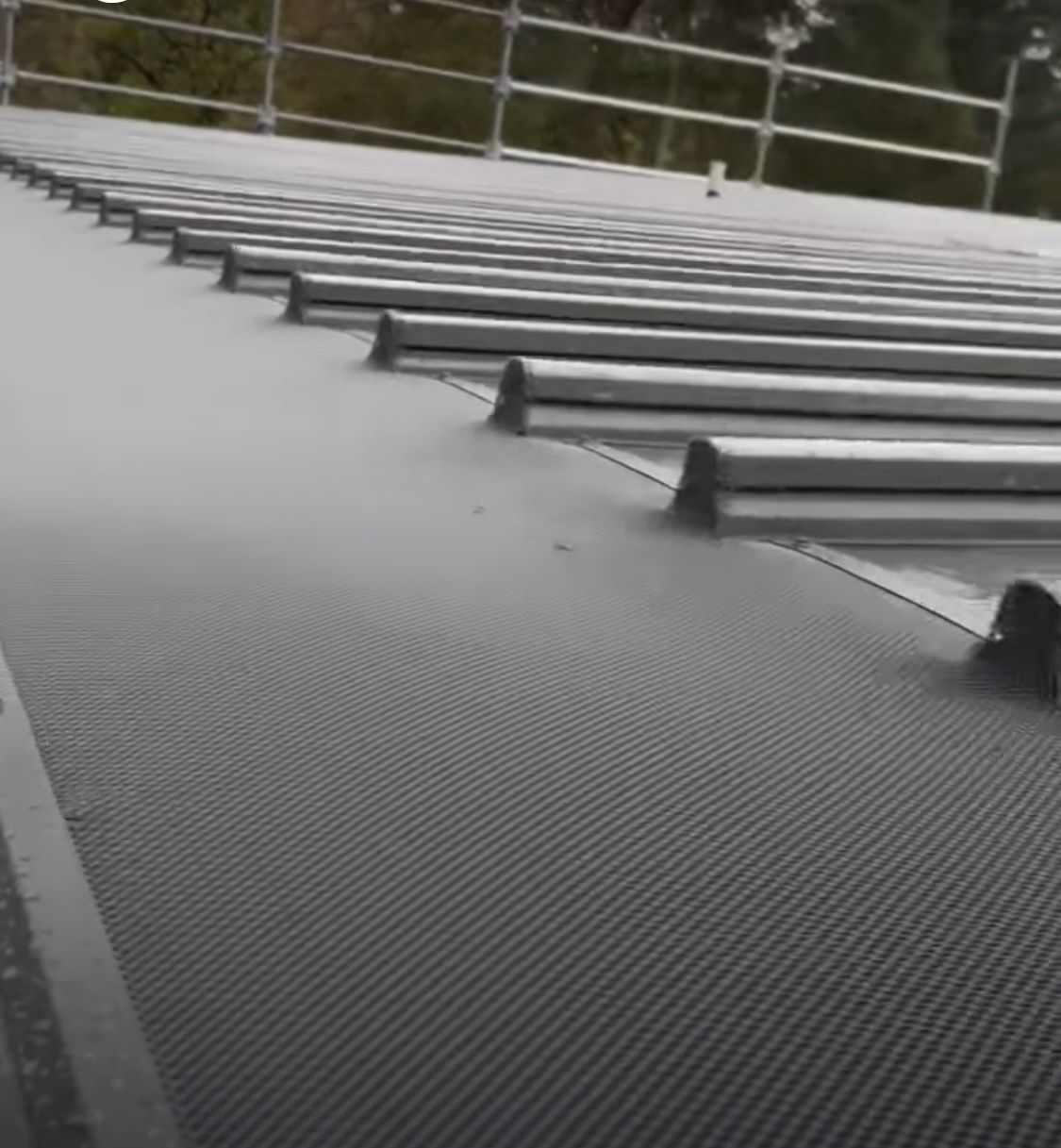
- For ember protection, non-combustible metal mesh with a fine aperture (around 1.9-2mm aluminium or stainless steel) is what’s specified, not plastic.
This is the big one to get right: plastic or poly mesh guards are non-compliant in bushfire-prone areas and are a genuine fire hazard. If you’re in a BAL-rated zone, the material and aperture of the guard matter more than the brand on the packaging.
The Honest Limitations
Here’s what good installers tell you and the cheap marketing won’t. No gutter guard gives 100% protection, and none makes your gutters truly maintenance-free. Fine grit, broken-down leaf matter, and seeds can still get through or sit on top, so your gutters still need an occasional check and clean, just far less often. Excessive leaf litter, falling branches, and hail can also damage guards over time, so a yearly inspection is sensible.
Be cautious of low-quality guards. Inferior plastic or poly mesh degrades in the sun, can sag, and in a bushfire zone is a hazard rather than a help. Poor installation can cause more harm than good, letting water sheet over the edge or trapping debris underneath. And treat any “never clean your gutters again” claim as a red flag, it isn’t true of any guard on the market.
Frequently Asked Questions
Are gutter guards actually worth the money?
For most Central Coast homes with trees nearby, yes. The payoff is fewer blockages, far less time (and risk) on a ladder, longer gutter life, and protection against the expensive water damage that clogged gutters cause. The value is highest under heavy leaf-drop like eucalyptus, and for anyone who shouldn’t be up a ladder clearing gutters. They’re not free maintenance, you’ll still want an occasional check, but a quality guard properly installed usually saves more than it costs over its life. The cases where they’re less worthwhile are homes with almost no overhanging trees, where there’s simply little debris to keep out.
Do I still need to clean my gutters if I have guards?
Yes, just much less often. No guard gives 100% protection, so fine grit, broken-down leaf matter, and seeds can still build up over time, and debris can sit on top of the guard. We recommend a routine inspection through the year, especially after heavy storms or strong winds that drop branches and litter. The honest framing is that guards dramatically reduce gutter cleaning, they don’t abolish it. Anyone promising you’ll never clean your gutters again is overselling. A quick annual check keeps the system working and catches any guard damage early.
What gutter guard do I need for a bushfire-prone area?
In a BAL-rated zone you need a non-combustible guard that matches your rating. Lower ratings (up to BAL-19) can use standard guards; higher ratings require fire-resistant materials; and flame-zone (BAL-FZ) homes need specialised certified products. For ember protection the standard points to fine metal mesh, around 1.9-2mm aperture aluminium or stainless steel, never plastic. Plastic or poly mesh is non-compliant in bushfire-prone areas and is itself a fire risk. Because getting this wrong has real consequences, it’s worth confirming your BAL rating and matching the guard to it properly. We can advise on compliant options for your home’s rating during an inspection.
Will gutter guards damage my roof or void anything?
Not when they’re installed correctly with the right product for your roof. The risks come from poor installation or cheap materials, guards that lift tiles or sheets, block airflow, or let water sheet over the edge. That’s why professional installation matters more than the guard itself in many cases. A good installer matches the guard to your roof pitch, gutter profile, and debris type, and fits it so water still flows freely into the gutter. Done right, a guard protects the roof and gutter system; done badly, it can trap debris and moisture against them. The product and the install both have to be right.
Can you install gutter guards as part of other roof work?
Yes, and it’s often the efficient time to do it. If you’re already having a re-roof, a tile-to-metal conversion, or gutter and fascia work, fitting guards while the team is on site saves a separate job later. Healthy guttering and a healthy roof go together, corroded gutters often signal what’s coming for the roof, so it’s worth looking at both at once. We’ll talk through whether combining the work makes sense for your situation during the inspection.
The Gutter Guard Verdict
On the Central Coast, a quality gutter guard is usually worth it, especially under heavy leaf-drop or for anyone who shouldn’t be clearing gutters by hand. Just go in with clear eyes: choose a metal guard matched to your roof and your BAL rating, expect an occasional check rather than zero maintenance, and steer well clear of cheap plastic mesh and “never clean again” promises. The right guard for your home depends on your trees, your roof, and your bushfire risk, which is what an inspection sorts out.
AWS Roofing can recommend a compliant, properly fitted option across the Central Coast.


Our Services
Get A Free Quote
Contact us today for a free, no-obligation quote on your roofing project.