

Metal vs Tile Roofing on the Central Coast: Which Is Right for Your Home?
The short version: tile is usually cheaper to buy and can last a long time with regular upkeep, while metal is lighter, lower-maintenance, and stands up better to Central Coast storms and salt air. For most homeowners here replacing an ageing roof, modern Colorbond metal wins on the things that matter most near the coast: weight, weather resistance, and how little you have to think about it once it’s on. This guide compares the two fairly, then walks through what’s actually involved if you decide to convert a tile roof to metal.
This article is about new roofs and tile-to-metal conversions. If you want a repair-or-replace call on your current roof, that’s what a free inspection is for.

The Bottom Line
Tile is typically cheaper upfront; metal usually costs less over its life because it needs far less maintenance.
Metal is lightweight and puts less load on your roof structure; tile is heavy and needs more support.
Metal handles high winds, driving rain, and coastal conditions better, and modern Colorbond is non-combustible for bushfire-prone areas.
Tiles can crack in hail and storms and need ongoing repairs; metal needs relatively little upkeep.
A typical tile-to-Colorbond conversion takes about 1 to 3 days, and it’s the ideal time to sort gutters, downpipes, and fascia at once.
How Do Metal and Tile Roofs Actually Compare?
The honest answer is that both can be good roofs, but they suit different priorities. Tile appeals on upfront price and a traditional look. Metal appeals on weight, weather resistance, and low maintenance. On the Central Coast, where salt air and severe storms push every roof harder, those last three tend to be what decides it.
Below is how they stack up on the factors homeowners ask about most.
Cost: upfront vs over the life of the roof
Tile is usually the cheaper material to buy and install on day one. Metal costs more upfront. But the comparison changes once you look past the install. Metal needs relatively little maintenance, while tile needs ongoing attention as individual tiles crack or slip. If you value long-term cost-effectiveness, metal often works out cheaper over the life of the roof, because you’re not paying for repeated repairs.
There’s no single price for either, because the number depends on your roof’s size, pitch, complexity, and how much of the existing structure can stay. That’s why we quote on-site rather than sight unseen.
Lifespan: both last decades, but coastal salt air shortens metal
Both metal and tile roofs can last decades when installed and maintained properly. Tile, kept up with regular maintenance, can run a very long time. Quality metal carries long manufacturer warranties; the DURAKOTE® systems we install come with a 30-year roofing warranty.
The Central Coast caveat is important and we’d rather be straight about it: salt-laden air corrodes metal faster the closer you are to the surf, so a metal roof near the beach won’t reach the same age it would inland. The fixings and flashings usually go before the sheets. It’s still a long-lived roof, but “lasts 50 years” is an inland figure, not a beachfront one.
Weight: metal is light, tile is heavy
Tiles are heavy and need more structural support beams to carry the load. Metal is lightweight, so it puts less stress on your roof frame. On a re-roof, that lighter load is part of why metal is often the simpler swap, and it’s one reason converting from tile to metal can make sense structurally.
Weather, storms, and fire
This is where metal pulls ahead on the coast. Metal roofs handle high winds and driving rain well and aren’t damaged the way tiles are when a storm hits. Tiles can crack and break in hail. Modern Colorbond steel is also non-combustible and ember-resistant, which matters in bushfire-prone pockets of the region.
Maintenance and the look
Metal needs relatively little upkeep once it’s on. Tile needs more regular attention to catch cracked or slipped tiles before they let water in. On looks, both can suit a Central Coast home: tile gives the traditional profile, while Colorbond’s modern colour range lets metal match anything from a heritage cottage to a new build. Metal also reflects more of the sun’s heat than tile absorbs, which can ease cooling costs in summer.
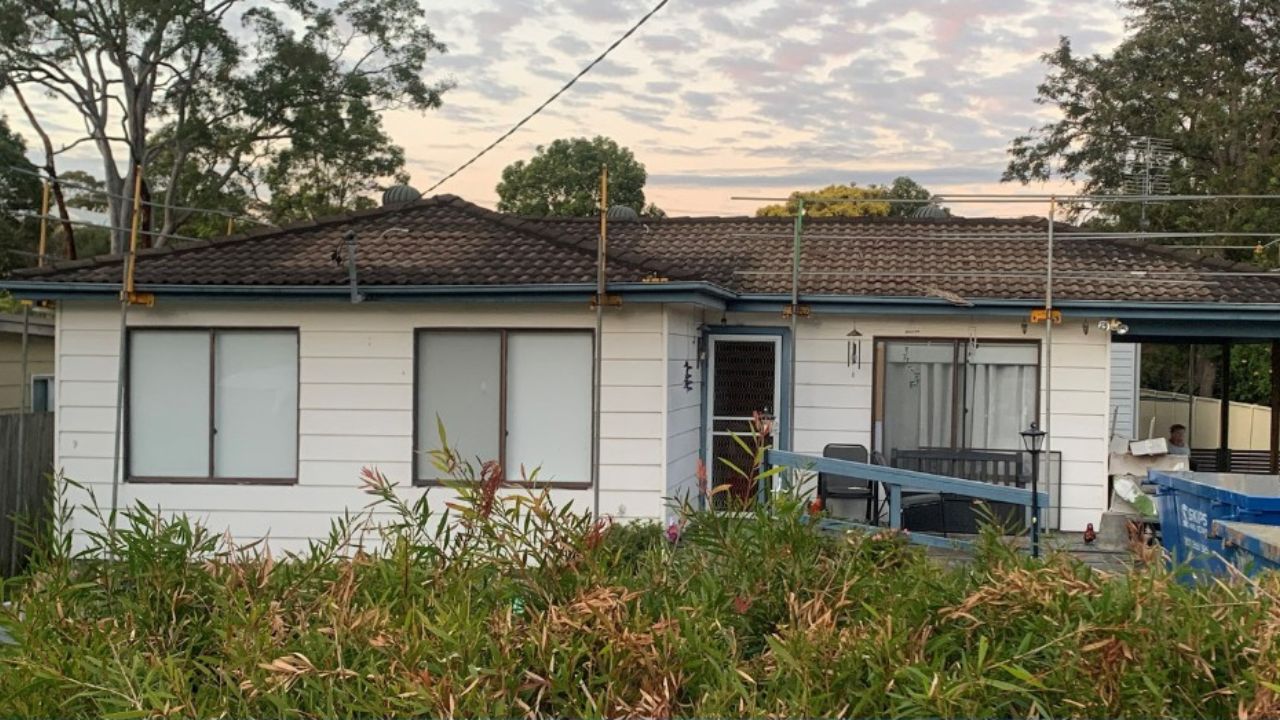
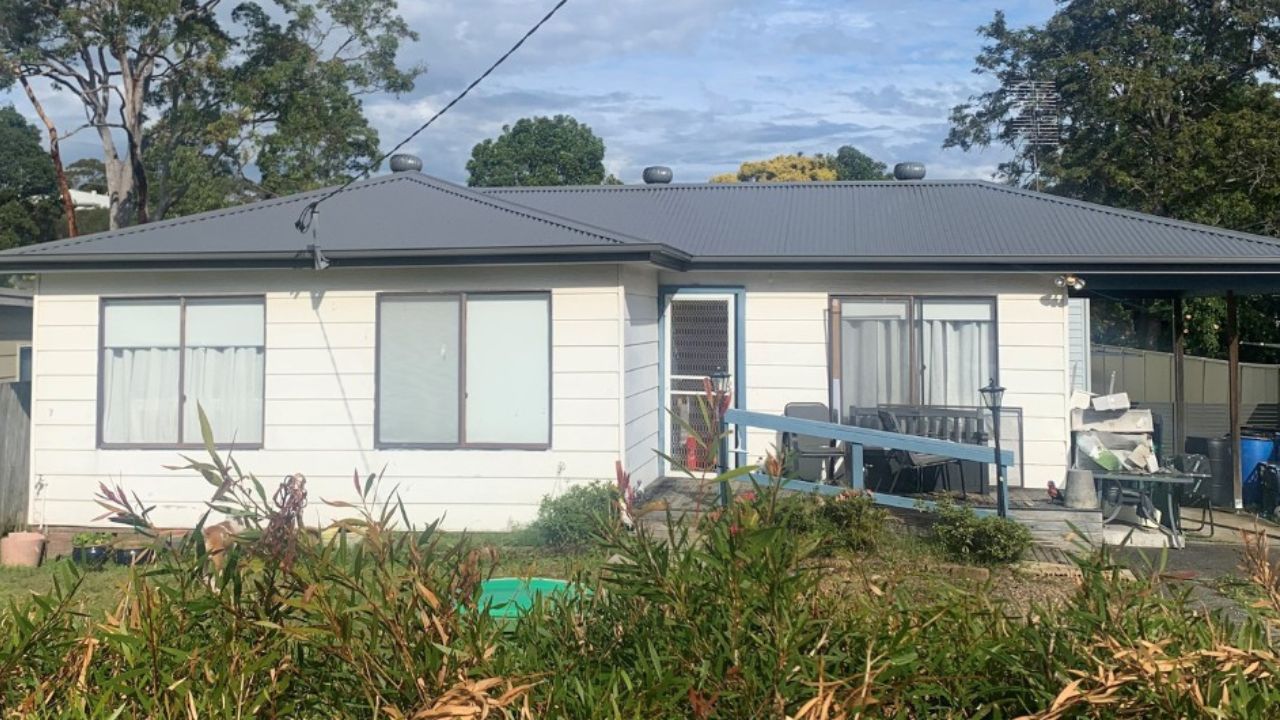
Thinking About Converting Tile to Metal?
Converting tile to tin is one of the more common upgrades we do on the Central Coast, and for good reason. You drop a lot of weight off the roof structure, you stop the cycle of cracked-tile repairs, and you end up with a roof better suited to wind, rain, hail, and coastal conditions. Colorbond’s colour range means the new roof can look sharp and modern, or quietly match the street.
It’s also genuinely lower maintenance. Once a quality metal roof is on and flashed correctly, it largely looks after itself, which is the opposite of an ageing tile roof that needs someone up there every storm season.
What’s involved in the conversion?
A tile-to-Colorbond conversion is a planned job, not a patch. The process we follow looks like this:
- Careful removal of the existing tiles and a full inspection of what’s underneath.
- Replacing any damaged battens revealed once the tiles are off.
- Installing an anti-condensation blanket, which also helps cut rain noise.
- Fitting the new Colorbond® roofing.
- Custom flashing and accessories around penetrations, ridges, and edges.
- Optional gutter, downpipe, and fascia upgrades while the roof is open.
Most residential tile-to-Colorbond conversions are completed in about 1 to 3 days, depending on the size and complexity of the roof and the condition of the battens underneath.
Will a metal roof be noisy in the rain?
Less than people expect. With an anti-condensation blanket and proper insulation, rain noise on a modern metal roof is significantly reduced. The drumming reputation comes from old, uninsulated tin sheds, not a properly installed insulated Colorbond roof.
Should I do the gutters at the same time?
It’s the ideal time. While the roof is open and the team is on site, sorting gutters, downpipes, and fascia together is more efficient and avoids a second job later. Corroded gutters often signal what’s coming for the roof anyway, so it’s worth handling them in one go.
Frequently Asked Questions
Is metal really better than tile on the Central Coast?
For most coastal homes, metal has the edge on the things that matter here: it’s lightweight, it handles storms and high winds better, it doesn’t crack in hail the way tile does, and it needs far less maintenance. Tile still has a place, it’s cheaper upfront and gives a traditional look, and a well-maintained tile roof can last a long time. But near the surf, where salt air and severe weather punish every roof, the low maintenance and weather resistance of modern Colorbond usually outweigh tile’s lower starting price. The right answer depends on your home, your budget, and how long you plan to stay, which is exactly what an on-site inspection sorts out.
How long does a tile-to-metal conversion take?
Most residential tile-to-Colorbond conversions are completed in about 1 to 3 days. A straightforward single-storey home with good access and sound battens goes quickly. If battens need replacing once the tiles come off, or the roof is large, steep, or multi-level, it takes longer. Weather plays a part too, since roofing work pauses in heavy rain or high wind for safety. A well-run conversion never leaves your home fully exposed overnight. You’ll get a realistic timeframe based on your actual roof during the inspection, along with how access and the home’s layout affect the schedule.
Does converting to metal reduce the load on my house?
Yes. Tiles are heavy and need substantial structural support to carry the weight. Colorbond steel is lightweight by comparison, so converting from tile to metal takes significant load off your roof frame. That’s one of the structural reasons the swap makes sense, particularly on older homes. As part of the conversion we inspect the battens once the tiles are off and replace any that are damaged, so the new, lighter roof sits on sound timber.
Will my insurance cover a new roof?
It can, where the damage is from a storm, hail, or wind event. Insurance generally covers sudden damage rather than gradual wear or age, so a roof that’s simply old usually isn’t claimable, while one damaged in a storm may be. We supply a detailed inspection report and quote for your claim, and can help you understand where your situation sits. Keeping records of past repairs and storm dates helps any claim. We’ll raise it during the inspection if it looks relevant to your roof.
Won’t a metal roof be hot and noisy?
Neither, when it’s installed properly. Metal actually reflects more of the sun’s heat than tile absorbs, which can help with summer cooling rather than hurt it. On noise, the anti-condensation blanket and insulation we install significantly reduce rain noise, so a modern Colorbond roof is nothing like the old uninsulated tin sheds people picture. Both come down to doing the install right, with the correct insulation and flashing, which is where a properly done conversion earns its keep.
The Verdict
If you’re choosing between tile and metal for a Central Coast home, weigh upfront price against life-of-roof cost, and weigh tradition against weather. Tile is cheaper to buy and looks traditional. Metal is lighter, tougher in storms, lower maintenance, and better suited to salt air and bushfire risk, which is why most coastal re-roofs and conversions we do end up in Colorbond. The honest call for your home depends on what’s above and below the roofline, which is what an inspection reveals. AWS Roofing offers a free on-site inspection across the Central Coast, with a clear recommendation and the reasoning behind it.
What Others Are Reading:



Our Services
Get A Free Quote
Contact us today for a free, no-obligation quote on your roofing project.