
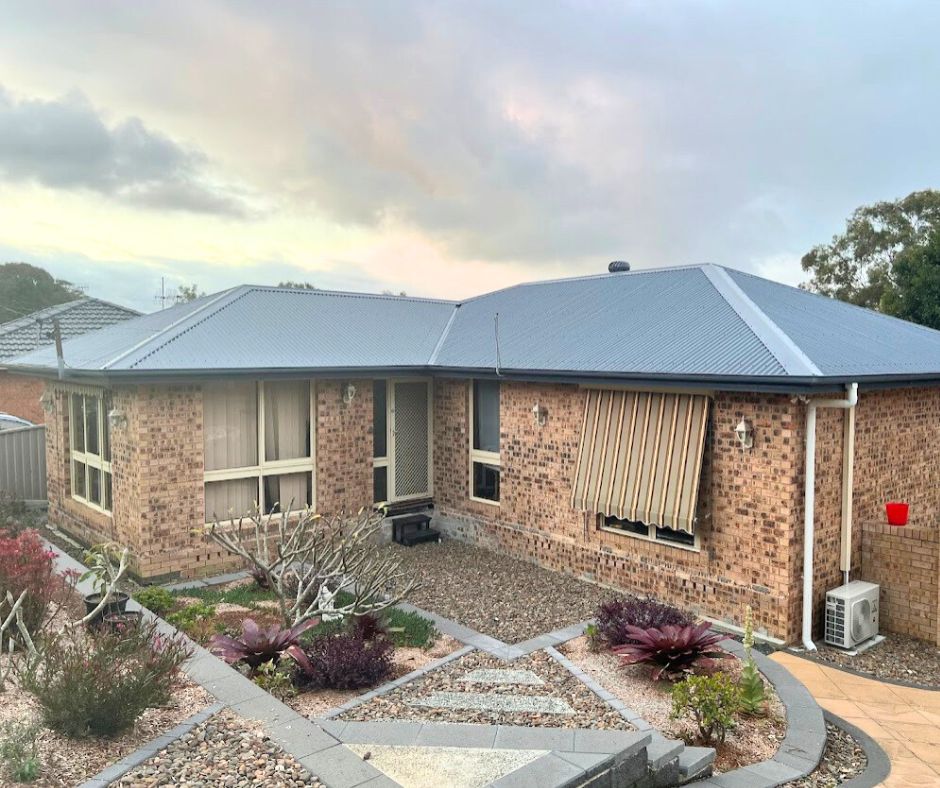
By AWS Roofing | Central Coast NSW Roofing Specialists
If you’re standing in your Terrigal backyard squinting at rust streaks and wondering whether to patch the roof or replace it, here’s the short version. Repair when the damage is isolated and the roof still has good years left.
Replace when the problems keep coming back, the roof is old, or you’re seeing sagging, widespread leaks, or structural movement.
Out here on the Central Coast, salt-laden air and summer storms tend to push tired roofs over the line faster than most people expect.

The Quick Answer: Repair or Replace?
A repair makes sense when the issue is small and contained, a few cracked tiles, one leak, a bit of storm damage. A replacement makes more sense when the roof is near the end of its life and the repairs are starting to stack up.
The honest test is this: are you fixing the same roof over and over? If every big rain brings a new leak, you’re not maintaining a roof anymore, you’re propping one up. That’s usually the moment re-roofing becomes the smarter call.
Signs It’s Time to Replace Your Roof
Some problems are cosmetic. Others are the roof telling you it’s done. Watch for these:
- Widespread or recurring leaks. One leak is a repair. Leaks in multiple spots, or after every rain event, point to a roof that’s failing across the board.
- A sagging roofline. A dip or visible sag often means trouble underneath, wet timber, rot, or structural movement. This isn’t a wait-and-see issue.
- Daylight through the roof. If you can see light through the sheeting or tiles from inside, water is getting in too.
- Rust on metal roofing and flashings. Coastal homes around Toukley, Gosford and Wyong cop this hard. Surface rust can sometimes be managed; widespread rust through the sheets usually can’t.
- Cracked, broken or missing tiles or sheets, plus crumbling mortar and broken ridge caps.
- Water pooling in the ceiling cavity or staining across interior ceilings and walls.
- Repairs that keep adding up. When the running cost of patch jobs starts creeping toward the value of a new roof, replacement is the better long-term spend.
If you’re ticking several of these boxes, it’s worth getting a proper look before the next big storm.
When a Repair Still Makes Sense
Plenty of roofs don’t need replacing, they need a targeted fix. A repair is usually the right move when:
- The leak is minor or limited to one area
- A few tiles are cracked or dislodged
- Storm damage hit one specific section
- Flashing has lifted, or a valley is blocked
- The gutters have separated or are overflowing
The upside of a repair is obvious: lower upfront cost, less disruption, and more life squeezed out of a roof that’s otherwise sound. If you’re only planning to be in the house another year or two, a good repair can be exactly the right answer. The key is being honest about whether you’re solving the problem or just delaying it.
Why Re-Roofing in Metal Is Often the Smart Long-Term Call on the Coast
When a roof has genuinely reached the end, re-roofing in metal tends to be the call that pays off out here. Central Coast conditions are tough on roofing, harsh sun, salt air, and storms that roll through every season.
Older tile and decramastic roofs wear down faster in that environment.
Modern Colorbond steel, in coastal-grade Colorbond Ultra, is built for exactly this. It handles the salt air better than most older materials, sheds water fast in heavy rain, and carries far less weight than tile. If your home still has the original tiles or a tired decramastic roof, it’s worth reading our take on metal roofing vs tile roofing and our guide to replacing a decramastic roof with a new metal roof before you decide.
You can see the full range of profiles and coastal-grade options on our metal roofing page. And because our team is larger than most local crews, we can usually get your new roof on faster, with magnet-broom clean-ups so your yard isn’t left full of stray screws.
What a New Roof Actually Costs
We won’t throw a number at you here, because an honest roof price comes from looking at your actual roof, not a calculator.
Roofers price per square metre, then add the extras on top: removing the old roof, sarking and insulation, access and scaffolding, the profile you choose, coastal-grade steel, and any guttering that needs replacing at the same time.
That’s why a free, no-pressure site visit is the only way to get a real figure. We come out, measure up, talk through your options, and you decide, no hard sell.
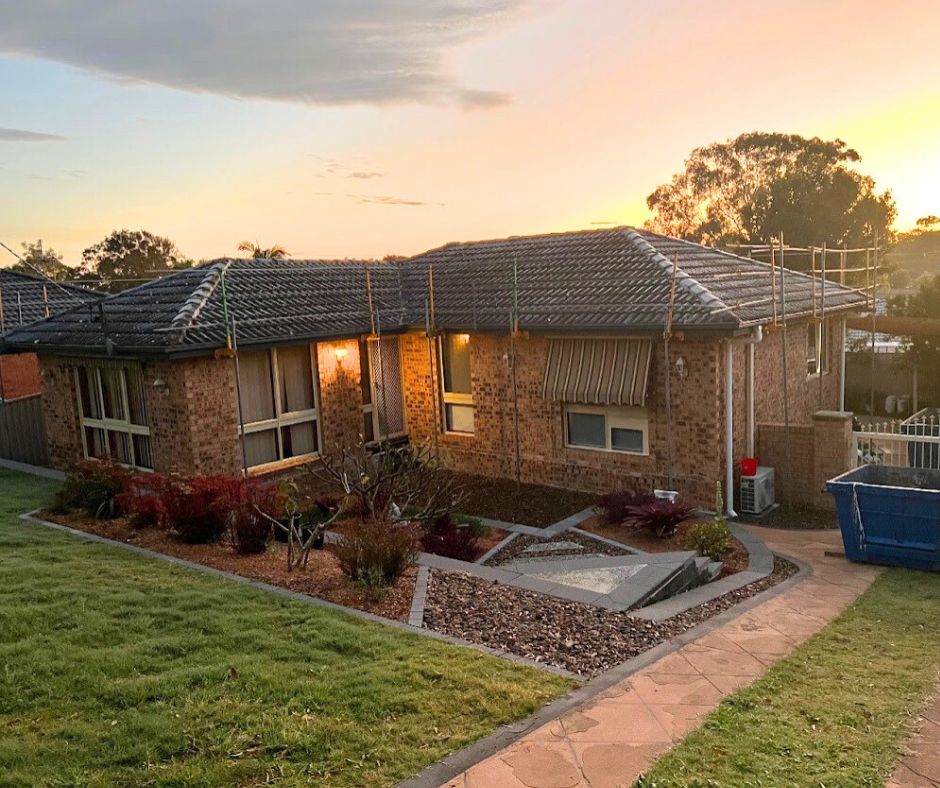
Signs It’s Time to Replace Your Roof
- Daylight visible through roof sheeting or tiles
- Water pooling in ceiling cavities
- Multiple broken ridge caps or mortar disintegration
- Rust patches on metal roofing or flashing
- Structural movement or timber rot under eaves
Cost Considerations: Repair vs Replacement
While roof repairs are less expensive upfront, they can add up quickly if they become frequent. Replacing your roof may cost more initially, but over 10-15 years, it can offer better value and peace of mind, especially if you opt for a long-lasting material like Colorbond® steel.
Replacement Cost Factors Include:
- Size and pitch of the roof
- Material choice (tile, metal, Colorbond®, etc.)
- Existing damage or need for re-battening
- Removal and disposal of old materials
Local Weather Matters: Central Coast Roofing Insights
Living on the Central Coast means your roof faces harsh sun, coastal salt air, and seasonal storms. These conditions can shorten the life of older materials, especially if your roof lacks proper sealing, ventilation, or eave protection.
In many cases, a full roof restoration or replacement can protect your home better and reduce long-term costs due to storm damage and leaks.
Get a Straight Answer About Your Roof
Not sure whether yours needs a patch or a full re-roof?
Get in touch for a free, no-obligation quote and we’ll come out to take a look.
You’re also welcome to pop into our Charmhaven showroom at 3/3 O’Hart Cl to see Colorbond colours and roofing samples in person before you decide.
FAQs
How do I know if I need to replace rather than just repair?
If your roof is more than 20 to 30 years old, leaking in multiple places, or showing sagging, rust or structural damage, replacement is usually the better long-term value. A few isolated issues on an otherwise sound roof point to a repair.
Is it cheaper to repair or replace?
A repair almost always costs less upfront. But if the roof needs constant fixing or is near the end of its life, those repair bills add up, and replacement often works out better value over time.
How long does a metal roof last on the Central Coast?
A quality metal roof can last decades, even in coastal conditions, when it’s installed properly with coastal-grade steel. Salt air is the main factor, which is why the right material matters here.
Should I get up there and check it myself?
We’d leave that to a roofer. Roof falls cause serious injuries, and most warning signs can be spotted from the ground or your ceiling cavity. Let someone with the right safety gear take a proper look.
Metal Roofers Central Coast


Our Services
Get A Free Quote
Contact us today for a free, no-obligation quote on your roofing project.