

Is It Normal For A Roof To Leak In Heavy Rain? Common Trouble Spots And Leak Prevention Tips.
A leaking roof during heavy rain is not normal and often points to underlying issues. While light showers may not reveal problems, intense rainfall can expose vulnerabilities in your roof’s structure or materials. A properly installed and maintained roof should keep your home dry, even in the heaviest downpours.
Roofs are most likely to leak in areas with penetrations or transitions in the roofing profile.
These include spots around chimneys, vents, skylights, and where different roof planes meet. Damaged or missing tiles, clogged gutters, and worn flashing can also lead to leaks.
Age plays a role too, as older roofs become more prone to letting water in.
Knowing the signs of a leaky roof can help you spot problems early. Look for water stains on ceilings and walls, peeling paint, or damp spots in the roof cavity.
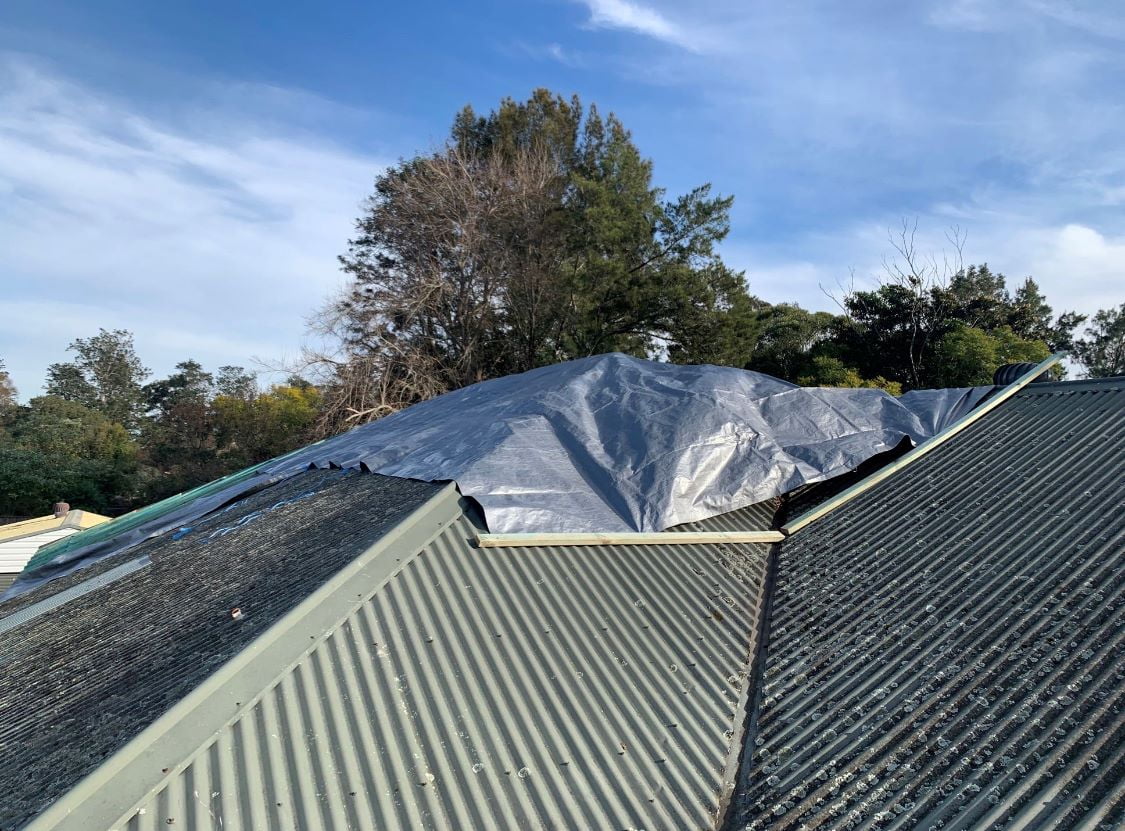
Understanding Roof Leaks
Roof leaks can be a big problem for homeowners. They can cause damage and cost a lot to fix. It’s important to know why roofs leak and how heavy rain affects them.
Main Causes of Roof Leaks on Tile Roofs
- Damaged or Missing Tiles:Tile roofs are particularly vulnerable to damage from strong winds or falling tree branches. When tiles are dislodged, gaps are created, allowing water to seep into the roof.
- Cracked Roof Tiles:Cracks in roof tiles, often caused by aging, foot traffic, or impact, are another common culprit. Even small cracks can let water through, potentially leading to leaks inside the home.
- Flashing Issues:Flashing around roof joints and fixtures is essential for waterproofing. On tile roofs, poorly installed or deteriorated flashing can leave gaps where water may penetrate.
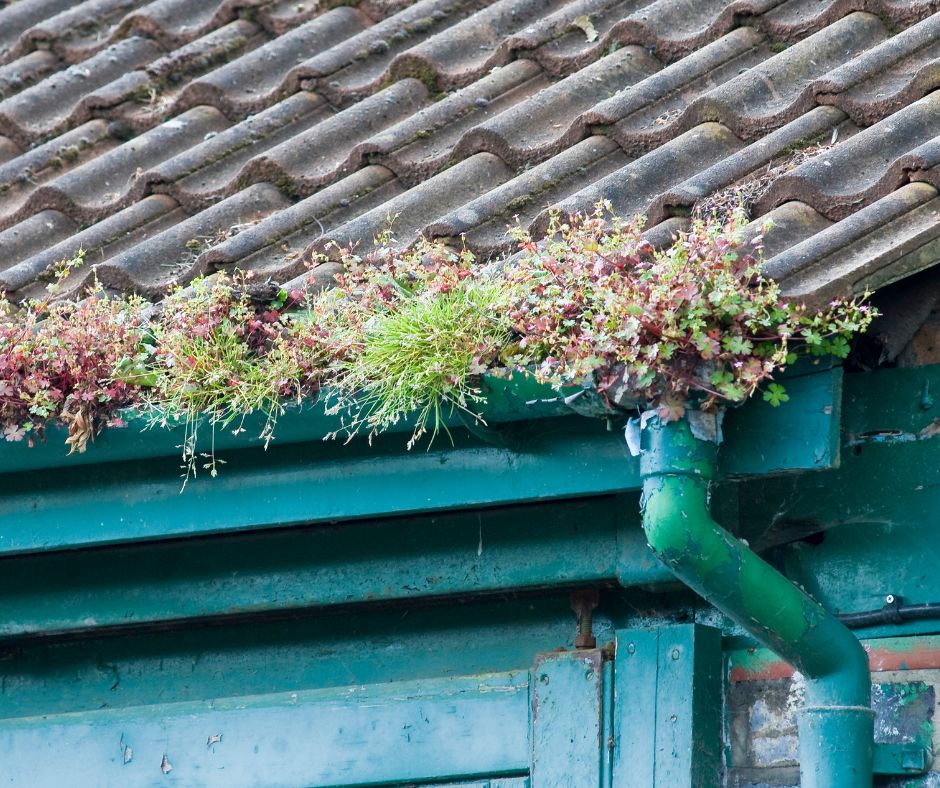
- Blocked Gutters:Debris like leaves and twigs can clog gutters, causing water to overflow and back up under the roof’s edges. This is especially problematic for tile roofs, as the water may slip through gaps between tiles.
Main Causes of Roof Leaks on Metal Roofs
- Loose or Missing Fasteners:Metal roofs are held in place by screws or fasteners. If these come loose or fall out, they can leave holes where water can enter.
- Rust or Corrosion:Over time, metal roofing can develop rust or corrosion, particularly in coastal areas or if maintenance is neglected. Rust weakens the roof and can lead to small holes or weakened flashing.
- Flashing Failures:Flashing on metal roofs seals the edges and joints. If the flashing becomes loose, corroded, or improperly installed, water can seep through these vulnerable areas.
- Blocked Gutters:Just like with tile roofs, blocked gutters can cause water to back up and overflow. On metal roofs, this water may pool near seams or fasteners, increasing the risk of leaks.
By addressing these specific issues, homeowners can keep their tile or metal roofs in top condition and prevent costly water damage.
Impacts of Heavy Rain on Roof Integrity
Heavy rain puts extra stress on roofs. It can find weak spots that might not leak in light rain.
The weight of pooling water can strain roof structures. Flat or low-slope roofs are most at risk. Too much water can cause sagging or even collapse.
Wind-driven rain during storms can force water up under shingles. This can happen even if the tiles look fine from the ground.
Heavy rain can also overflow gutters quickly. This sends water down walls or into the house through the roof edge.
Long periods of rain can soak through small holes or cracks. Areas that stay wet can start to rot, making the problem worse over time.
Common Vulnerability Points
Roofs have several vulnerable spots where leaks commonly occur during heavy rain. By knowing what to inspect, you can address potential issues early and keep water from entering your home.
Roof Valleys and Junctions
Roof valleys, where two slopes meet, are critical areas to monitor. These V-shaped channels carry a significant amount of water during rainfall, making them particularly susceptible to leaks. Proper flashing and sealing are essential to prevent water infiltration.
Similarly, junctions where different roof sections connect often develop gaps or weak points over time. These areas need thorough sealing and attention during both construction and maintenance.
What to Look for on Tile Roofs
Tile roofs are durable and visually appealing, but they have specific vulnerabilities. Tiles can crack, shift, or become dislodged, exposing the underlayment to moisture. Additionally, older or poorly maintained tile roofs may have weakened pointing (the mortar securing ridge tiles).
Key Areas to Inspect:
- Cracked or broken tiles that expose the roof deck
- Missing tiles, especially in valleys or along ridges
- Build-up of debris in valleys, which can block water flow
- Worn or missing pointing on ridge tiles
Keeping the tiles in good condition ensures the roof remains watertight, as even small cracks can let water through during heavy downpours.
What to Look for on Metal Roofs
Metal roofs are known for their durability and resistance to harsh weather, but they’re not immune to leaks. Over time, screws can loosen, seals can degrade, and metal sheets can develop rust or holes.
Key Areas to Inspect:
- Loose or missing screws and fasteners
- Corrosion or rust, particularly near fasteners or overlaps
- Worn or cracked sealant around penetrations like vents or skylights
- Damage to roof sheets, such as dents or punctures caused by hail
Metal roofs also rely on proper overlaps and sealing to ensure water doesn’t seep through joins or seams. Ensuring these are in good condition is critical to maintaining a watertight roof.
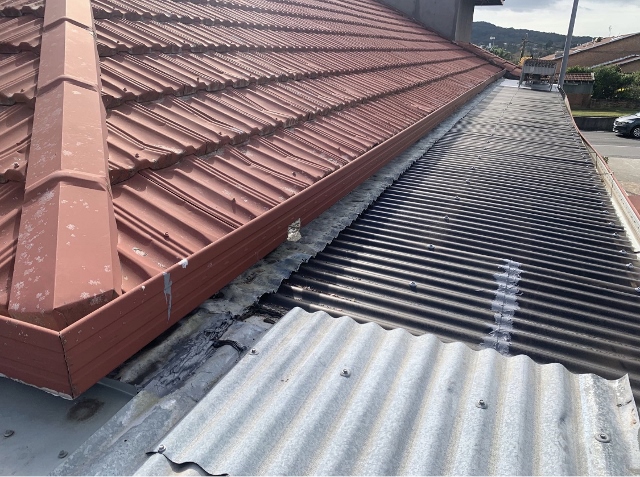
Chimneys and Vent Flashings
Chimneys and vents are common sources of roof leaks because they create openings that must be sealed properly. Over time, the flashing and seals around these features can deteriorate, leaving your roof vulnerable to water damage.
Regular inspections and maintenance can keep these areas watertight, whether you have a tile or metal roof.
What to Inspect on Tile Roofs:
- Cracked or missing tiles around the chimney base
- Loose or deteriorated mortar at the flashing edges
- Debris accumulation in valleys near the chimney that may trap water
- Flashing that has pulled away or shows signs of corrosion
What to Inspect on Metal Roofs:
- Rusted or damaged metal flashing around the chimney
- Improperly sealed flashing overlaps or joints
- Fasteners that have come loose or degraded over time
- Gaps where the chimney meets the roof panel
Vent pipes are another potential weak point in your roof’s defense against water. These pipes are sealed with rubber boots, which create a snug fit where the pipes pass through the roof. Over time, these boots can crack, tear, or wear out, particularly under exposure to sunlight and temperature changes.
Eaves and Edge Details
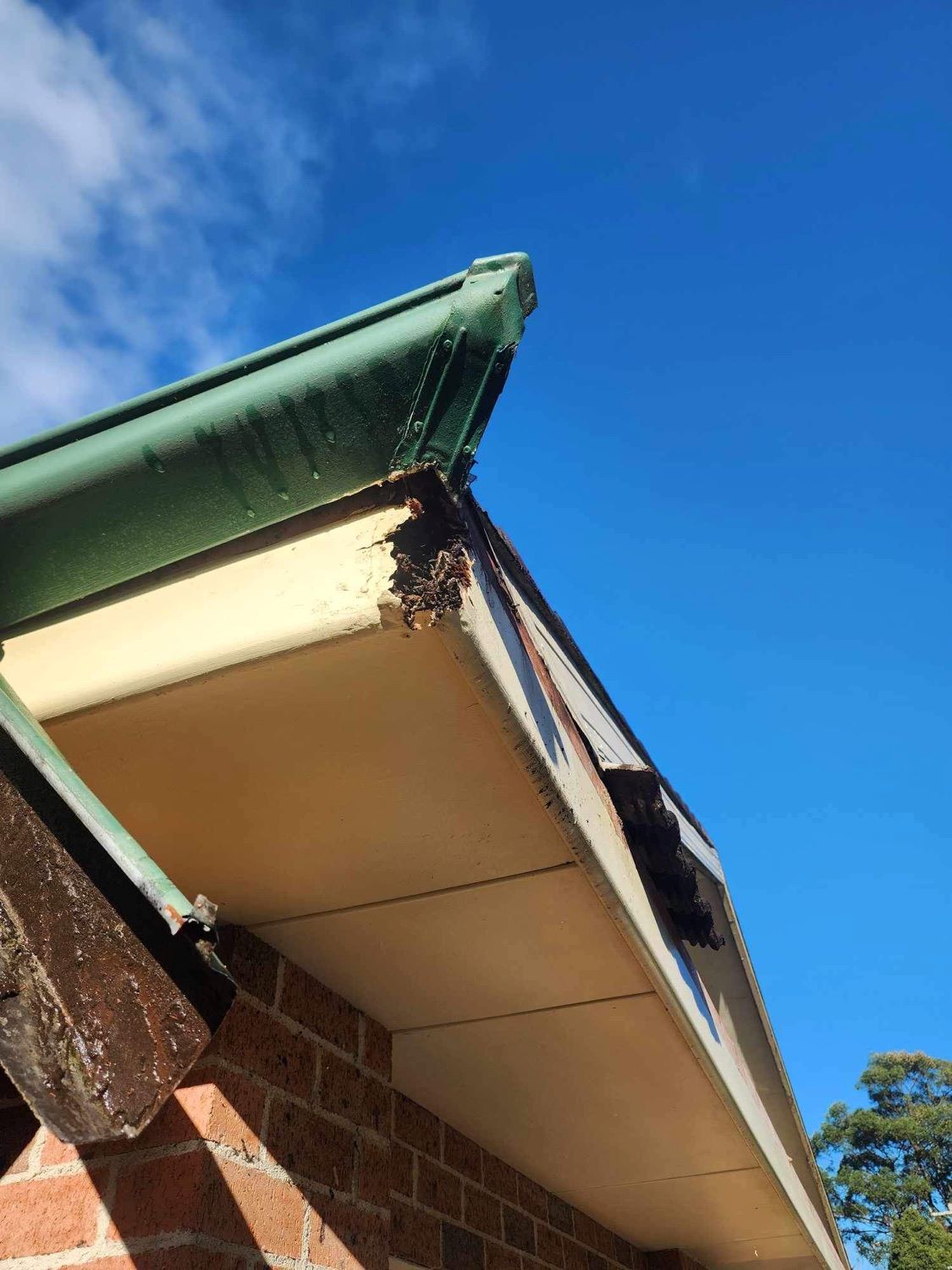
The edges of your roof are key spots for leaks. Eaves and fascia boards can rot if gutters don’t drain well. This lets water get under your roofing.
Proper drip edge flashing is vital along roof edges. It guides water into the gutters and away from vulnerable wood.
To protect eaves and edges:
- Keep gutters clean
- Check for rotting fascia boards
- Make sure drip edge flashing is in good shape
Preventive Measures and Regular Maintenance
Regular roof care can stop leaks before they start. It’s best to check your roof twice a year, in autumn and spring.
- Clean gutters and downpipes often. This stops water from backing up and getting under your roof tiles or sheets.
- Look at increasing your gutter size or adding additional downpipes
- Look for cracked, loose, or missing tiles. Fix or replace them right away to keep water out.
- Check metal roofs for rust or loose screws. Paint over rust spots and tighten any loose fixings.
- Trim tree branches near your roof. They can scratch and damage roofing materials in strong winds.
- Make sure your roof space is well-ventilated. This helps prevent moisture build-up that can lead to rot and leaks.
- Apply sealant to joints and flashings every few years. This keeps these weak spots watertight.
- After big storms, do a quick roof check. Look for any new damage or loose bits that need fixing.
If you’re not sure what to look for, ask a pro. They can spot problems you might miss and give advice on upkeep.
Local Roofing Experts
AWS roofing are your local Central Coast Roofers.
If you have a roof that is constantly leaking or has been storm damaged, get in touch with our friendly team and we can arrange a roof inspection.
Frequently Asked Questions
Roof leaks can be tricky to deal with, but there are ways to find and fix them. Here are some key things to know about leaks, prevention, and repairs.
How can I pinpoint the source of a roof leakage?
Look for water stains or discoloured spots on ceilings and walls. Check the attic/roof cavity during daylight for sunlight coming through. Use a hose to spray different roof areas while someone watches inside. Start low on the roof and work upwards. Mark wet spots to find the entry point.
What steps should be taken to prevent roof leaks during heavy downpours?
Clean gutters and downpipes regularly. Trim overhanging tree branches. Replace cracked or missing tiles and shingles. Check and reseal flashing around chimneys and vents. Apply a waterproof coating to the roof surface. Have a professional inspect your roof yearly.
What are common reasons for a roof to leak intermittently?
Small cracks that only let water in during heavy rain. Ice dams forming at the roof edge in winter. Wind-driven rain getting under loose shingles. Poorly sealed valleys where roof slopes meet. Clogged gutters causing water to back up under eaves.
Can roof leaks lead to substantial costs, and are these typically covered by insurance?
Roof leaks can cause big damage if not fixed quickly. Costs may include replacing drywall, flooring, and insulation. Most home insurance covers sudden, accidental roof damage. Gradual leaks from poor maintenance are often not covered. Check your policy and report leaks promptly.
What are the typical repair solutions for a leaking ceiling after a rainstorm?
Dry out the affected area with fans. Remove damaged drywall and insulation. Apply a stain-blocking primer and repaint. For small leaks, roofing cement or sealant may work. Larger issues need professional repair or roof replacement. Always fix the roof leak before repairing interior damage.
In metal roofs, what causes leaks during significant rainfall events?
Loose or missing screws and fasteners. Gaps in seams between metal panels. Rust or corrosion creating holes. Damaged flashing around roof penetrations. Inadequate slope causing water to pool. Improperly installed or deteriorated underlayment beneath the metal.


Our Services
Get A Free Quote
Contact us today for a free, no-obligation quote on your roofing project.