
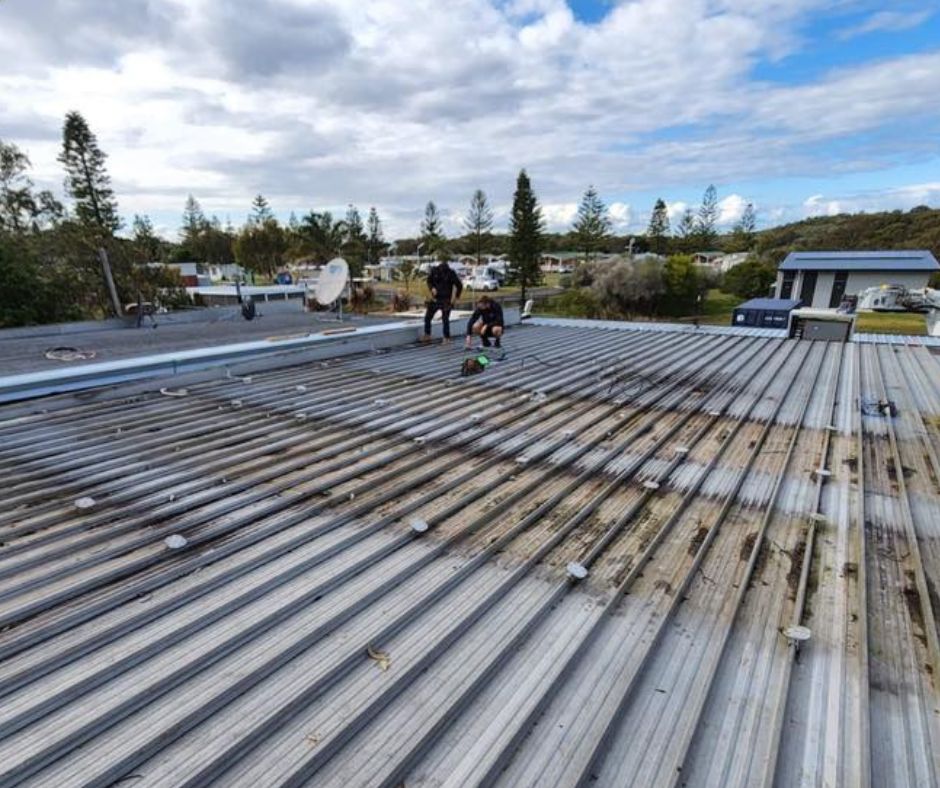
Commercial Roofing Requirements
A leaking commercial roof does not automatically mean a full replacement. Most leaks trace back to failed flashings, blocked box gutters, split sheet laps or corroded fasteners, all of which can often be repaired. Replacement becomes the smart call only when the deck, structure or sheeting has reached the end of its service life across the whole roof.
If you manage a warehouse, factory, strata block or retail building on the Central Coast, the leak you can see is rarely the whole story. Water travels along purlins and pools above suspended ceilings before it shows up inside. The right move depends on what’s actually failing, how much of the roof it affects, and how long you can keep patching before you’re throwing good money after bad.
The Bottom Line
Most commercial leaks are repairable.
Full replacement is needed only when failure is widespread, not localised.
Box gutters and flashings cause more commercial leaks than the sheets themselves.
Cost is driven by roof size, access, height, sheet profile, deck condition and required downtime, not a fixed per-metre rate.
Standing water and rust spreading along sheet laps are the strongest signals it’s time to re-roof.
AWS Roofing offers free commercial roof inspections across Gosford, Wyong and Tuggerah, with a written report either way.
What Causes a Commercial Roof to Leak?
Most commercial roof leaks start at the joins, not the sheets. Flashings, box gutters, penetrations and sheet laps fail long before quality metal sheeting wears out. On large low-pitch roofs common across the Central Coast, water moves slowly and finds every weak fastener, lifted lap and undersized gutter, so a single failure point can flood a wide internal area.
Commercial roofs fail differently to homes because of their scale and low pitch. The lower the pitch, the slower water drains, and the more it relies on every seal and gutter performing. A few recurring culprits cause the bulk of the calls we get.
Box Gutters and Internal Drainage
Box gutters are the number one source of serious commercial leaks. They sit inside the roof line, often undersized for today’s heavier downpours, and when they block or overflow the water goes straight into the building rather than off the edge. Leaf litter, sediment and failed sumps are common on Central Coast industrial sites. A blocked box gutter during a summer storm can dump litres inside in minutes.
Failed Flashings and Penetrations
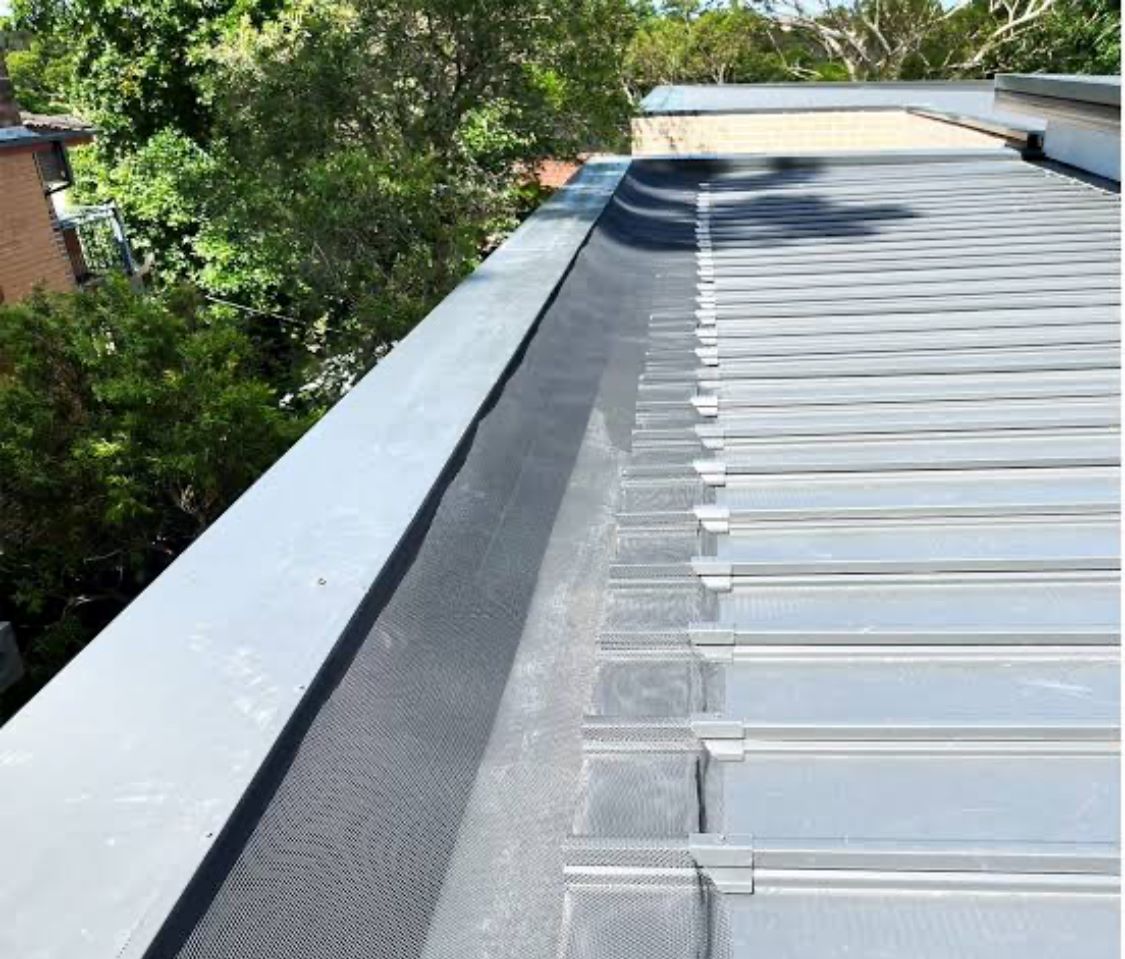
Every pipe, vent, skylight, aircon unit and parapet is a potential leak point. Flashings around these penetrations rely on sealant and lap detail that degrade under years of UV and thermal movement. When they let go, water tracks under the sheets and emerges metres away, which is why the stain on your ceiling rarely sits under the actual fault.
Corroded Fasteners and Sheet Laps
Old screws and washers perish, leaving open holes at every fixing point. Salt-laden air along the coast accelerates rust at sheet laps and around fasteners. Once corrosion spreads along the laps of multiple sheets rather than sitting at one spot, patching stops being economical and re-sheeting becomes the better long-term decision.
When Should a Leaking Commercial Roof Be Replaced Instead of Repaired?
When the leaks keep coming back. Once corrosion, deck damage or sheet fatigue has spread across the roof, patching stops working and replacement is the long-term answer.
The deciding factor is whether the problem is local or systemic. One failed flashing or a blocked sump is a repair. Rust creeping along the laps of sheet after sheet, a deck that’s soft underfoot, or a roof patched so many times it leaks somewhere new each storm, that’s a roof telling you its service life is up.
Repairing buys you time, and sometimes that’s exactly right, especially if a budget cycle or tenancy change is coming. But there’s a tipping point where repeated repairs cost more than they’re worth and the downtime of repeated access outweighs doing it once properly. Our team will tell you honestly which side of that line your roof sits on, rather than selling you the bigger job by default. If you want the full picture on commercial work, see our commercial roofing Central Coast page.
When Should You Replace a Commercial Roof?
Replace a commercial roof when corrosion, leaks and deck damage are widespread rather than localised. The clearest signals are rust spreading along multiple sheet laps, water ponding that won’t drain, sagging or soft decking, and a leak history where fixing one spot just shifts the problem elsewhere. At that point, re-roofing costs less over time than an endless cycle of patches.
A few signs point firmly to replacement over repair. Watch for these across your building.
Rust Along the Sheet Laps
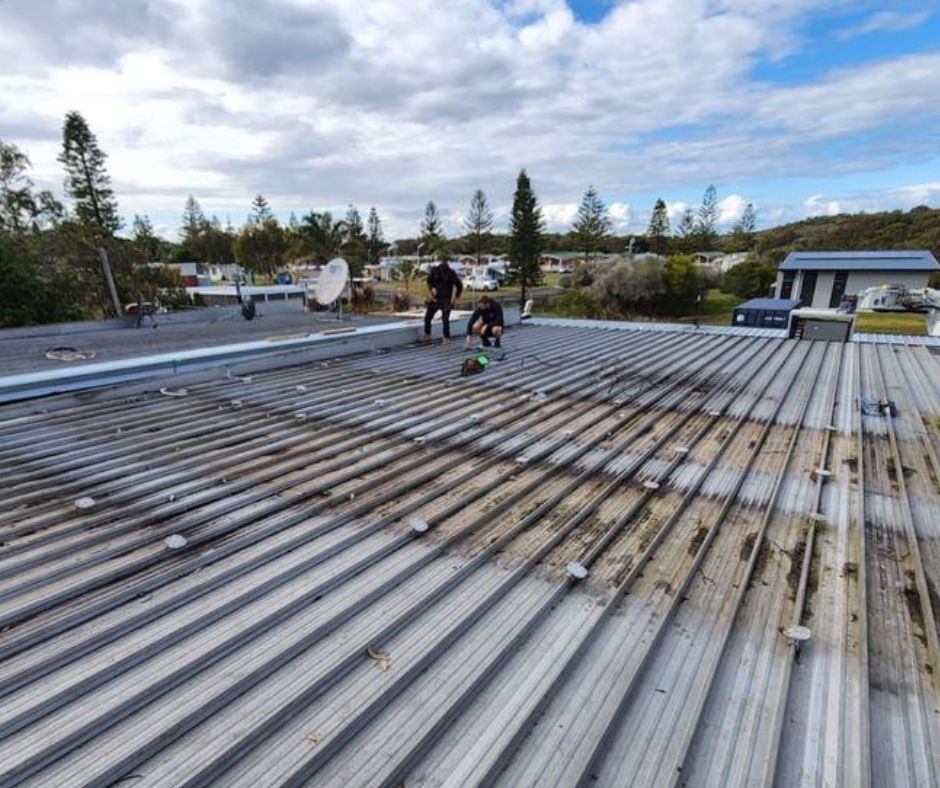
Surface rust on one panel is a repair. Rust running along the overlapping joins of multiple sheets means the protective coating has failed across the roof, and water is wicking under the laps. Re-sheeting with modern coastal-grade steel resets the clock and removes the recurring leak risk.
Ponding and Poor Drainage
Water that sits on a roof after rain instead of draining away is a structural and waterproofing problem combined. Ponding accelerates corrosion, stresses the sheeting and overloads the deck. If your roof ponds in several places, a replacement that corrects falls and upgrades drainage usually solves it for good.
A Deck That’s Past It
Once water has been getting in for years, the timber or steel deck underneath suffers. Soft, rusted or sagging decking can’t safely support new sheeting without remedial work. We assess the deck during inspection, because what’s underneath often decides repair versus replacement more than the visible sheets do.
What Drives the Cost of a Commercial Roof Replacement?
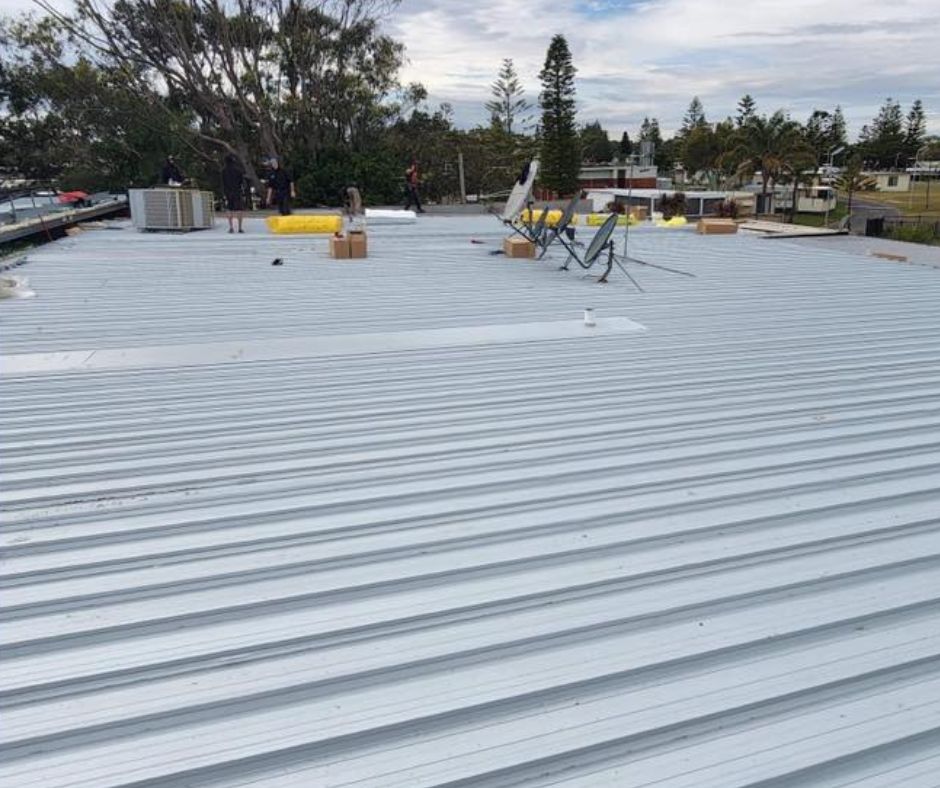
The cost of a commercial roof replacement is driven by roof size, access and height, sheet profile, the condition of the existing deck, and how much downtime the job requires, not a fixed per-square-metre rate. Two buildings of identical footprint can quote very differently once access, drainage upgrades and operating-hours restrictions are factored in. The only accurate figure comes from a site inspection.
AWS Roofing has no fixed pricing on commercial work because no two commercial roofs are alike. What we can do is be upfront about the factors that move the number, so you can read any quote with confidence and compare them properly.
Size, Access and Height
A large warehouse roof costs more in materials and labour simply by area, but access drives the figure just as hard. Multi-storey buildings, restricted street access, live operations below and the need for cranes, scaffolding or scissor lifts all add to a commercial job in ways a simple ground-level roof never does.
Deck Condition and Hidden Repairs
What we find once the old sheeting comes off can shift the cost. Corroded purlins, rotten timber or failed insulation may need remediation before new sheets go on. A thorough inspection beforehand reduces surprises, but on older Central Coast buildings the deck is where genuine variables live.
Profile, Material and Drainage Upgrades
Sheet profile and grade matter on commercial roofs. Low-pitch buildings often need concealed-fix or high-rib profiles to handle water at shallow falls, and coastal-grade steel is worth the premium near the water. If the job includes upsizing box gutters or correcting falls, that adds to the scope but fixes the root cause. New guttering is frequently quoted as part of a commercial re-roof.
Downtime and Staging
Keeping your business running shapes the job. Work staged around trading hours, weekend access or section-by-section replacement protects your operations but takes longer than an empty building. We plan the sequence with you so production, tenants or trade keep moving while the roof goes on.

How Long Does a Commercial Roof Replacement Take?
A commercial roof replacement timeline depends on roof size, access, weather and how the work must be staged around your operations, so it ranges from a few days for a small unit to several weeks for a large warehouse. Staging around trading hours extends the calendar but keeps your business running. The accurate timeframe comes with the inspection and scope.
The variable that surprises most owners is staging, not the roofing itself. A vacant building lets us work straight through. An operating factory, a tenanted strata block or a retail site needs the job sequenced so areas are watertight before we move on, and that careful approach trades a longer calendar for zero disruption to what happens below.
Weather is the other factor on the Central Coast. We won’t strip more roof than we can make watertight before the next change, because an exposed deck and a coastal storm is a combination no building owner wants. Our larger team means we can move quickly once we start, which shortens the window your roof is open.
Why Choose Metal for a Commercial Re-Roof?
Metal sheeting is the standard for commercial and industrial re-roofing because it spans large low-pitch areas, sheds water fast and handles coastal conditions with minimal upkeep. Coastal-grade steel resists the salt air that corrodes lesser materials across Gosford, Wyong and Tuggerah, and long-run sheets mean fewer joins and fewer potential leak points across a big roof.
For commercial buildings, metal earns its place on performance. Long-run sheeting runs from ridge to gutter in a single length on many roofs, which removes the end laps where leaks start. It’s light on the structure, quick to install over large areas, and pairs with the upsized drainage that low-pitch commercial roofs need.
On the coast, material grade is not optional. Salt-laden air is relentless on industrial roofs near the water, and specifying coastal-grade steel from the start avoids the premature corrosion that brings owners back to us years early. Our metal roofing page covers the profiles and grades we work with in detail.
Get in touch with the team at AWS Roofing and we can get your commercial roofing sorted quickly.
Frequently Asked Questions
Does a leaking commercial roof always need replacing?
No. Most commercial leaks are repairable, because they come from failed flashings, blocked or undersized box gutters, perished fasteners or a few corroded sheets rather than the whole roof wearing out. A targeted repair restores watertightness for a fraction of a full re-roof. Replacement only makes sense when the failure is widespread, corrosion is spreading along multiple sheet laps, the deck is damaged, or you’re patching the same roof every storm with leaks appearing in new spots. The honest test is whether the problem is localised or systemic. AWS Roofing inspects the whole roof, including the deck and drainage, and tells you which side of that line your building sits on, rather than defaulting to the bigger job. You get a written report either way so you can plan and budget with confidence.
What’s the most common cause of commercial roof leaks?
Box gutters and flashings cause more serious commercial leaks than the metal sheets themselves. Box gutters sit inside the roof line and are often undersized for today’s heavier downpours, so when they block with leaf litter or sediment, the overflow goes straight into the building. Flashings around pipes, skylights, aircon units and parapets are the next most common culprit, because their sealant and lap detail degrade under years of UV and thermal movement. Corroded fasteners and rusted sheet laps follow, especially near the coast where salt air speeds up corrosion. Because water travels along purlins before it shows inside, the stain on your ceiling rarely sits under the actual fault. That’s why a proper inspection matters more than chasing the visible drip, and it’s the first thing our team checks on a commercial site.
How do you replace a commercial roof without shutting down our business?
We stage the work so your operations keep running. On occupied warehouses, factories, retail buildings and strata blocks, the roof is replaced section by section, with each area made fully watertight before we move to the next. Where trading hours matter, the work can be scheduled around them, including weekend work for sites that can’t pause during the week. We never strip more roof than we can close up before the next weather change, which protects your stock, equipment and tenants underneath. This careful sequencing trades a slightly longer calendar for near-zero disruption to what happens below. We plan the staging with you during the inspection, so you know exactly which areas are affected and when. Our larger team also means we can keep momentum once we start, shortening the overall window. See our commercial roofing Central Coast page for more.
What does a commercial roof replacement cost on the Central Coast?
There’s no fixed per-square-metre figure, because commercial roofs vary far too much for a single rate to be accurate or honest. The cost is driven by the roof’s size, the access and height involved, the sheet profile and grade, the condition of the deck once the old sheeting is off, any drainage upgrades like upsizing box gutters, and how the work must be staged around your operations. Two buildings with the same footprint can quote very differently once access equipment, live operations and downtime are factored in. AWS Roofing doesn’t publish pricing for that reason. Instead, we inspect your roof, scope the real job including what’s under the sheets, and give you an accurate written quote you can rely on. A free commercial roof inspection is the only way to get a figure that reflects your actual building rather than a guess.
Get a Straight Answer on Your Commercial Roof
The fastest way to know whether you’re facing a repair or a replacement is a proper inspection. AWS Roofing carries out free commercial roof inspections right across the Central Coast, from Gosford and Wyong to Tuggerah and beyond. We assess the sheets, flashings, box gutters and the deck underneath, then give you a written report and an honest recommendation, repair or replace, with no pressure to take the bigger job.
We’re fully licensed, fully insured and WorkCover accredited, and every job comes with a written warranty. Our larger team means we can stage commercial work around your operations and keep the disruption to a minimum.
Book a free commercial roof inspection and we’ll tell you exactly what your roof needs and what it will take to fix it.
-
Commercial Roofing Morisset
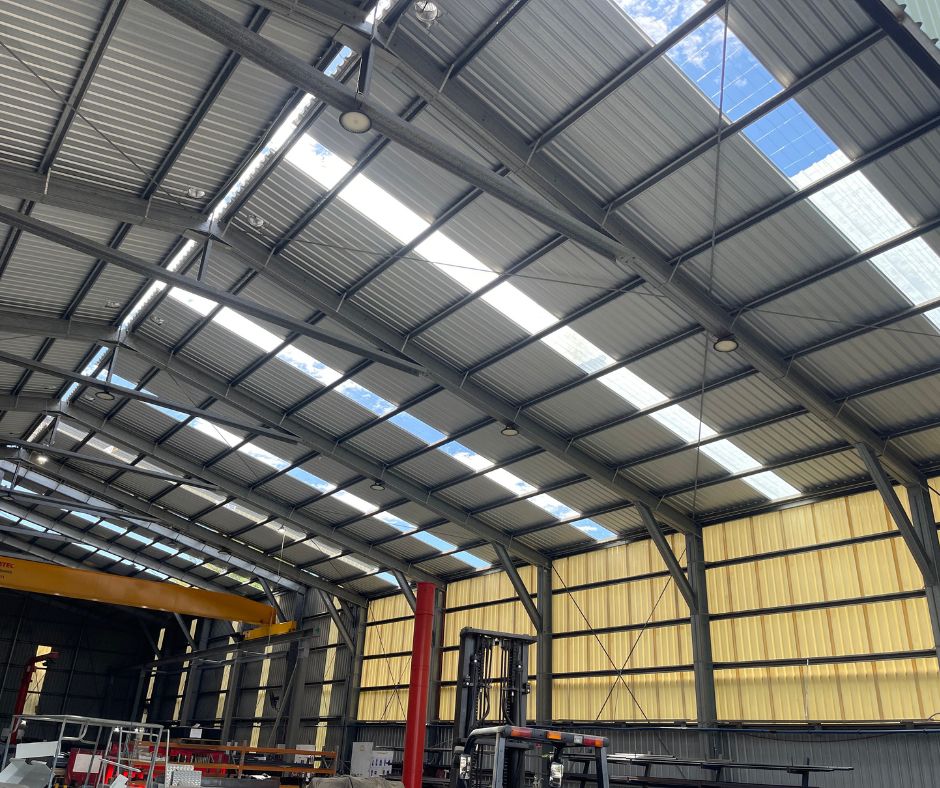
Commercial Roofing Morisset Project Overview This large factory in Morrisett was dark with no natural light and it would get hot and stuffy as soon as the temperature rose. The AWS Roofing team introduced more light into the factory by removing sections of existing metal roof sheeting and replacing it with Trimdek fibre glass roof sheeting in…



Our Services
Get A Free Quote
Contact us today for a free, no-obligation quote on your roofing project.