
What is a Roof Plumber? Their Skills and Responsibilities Explained
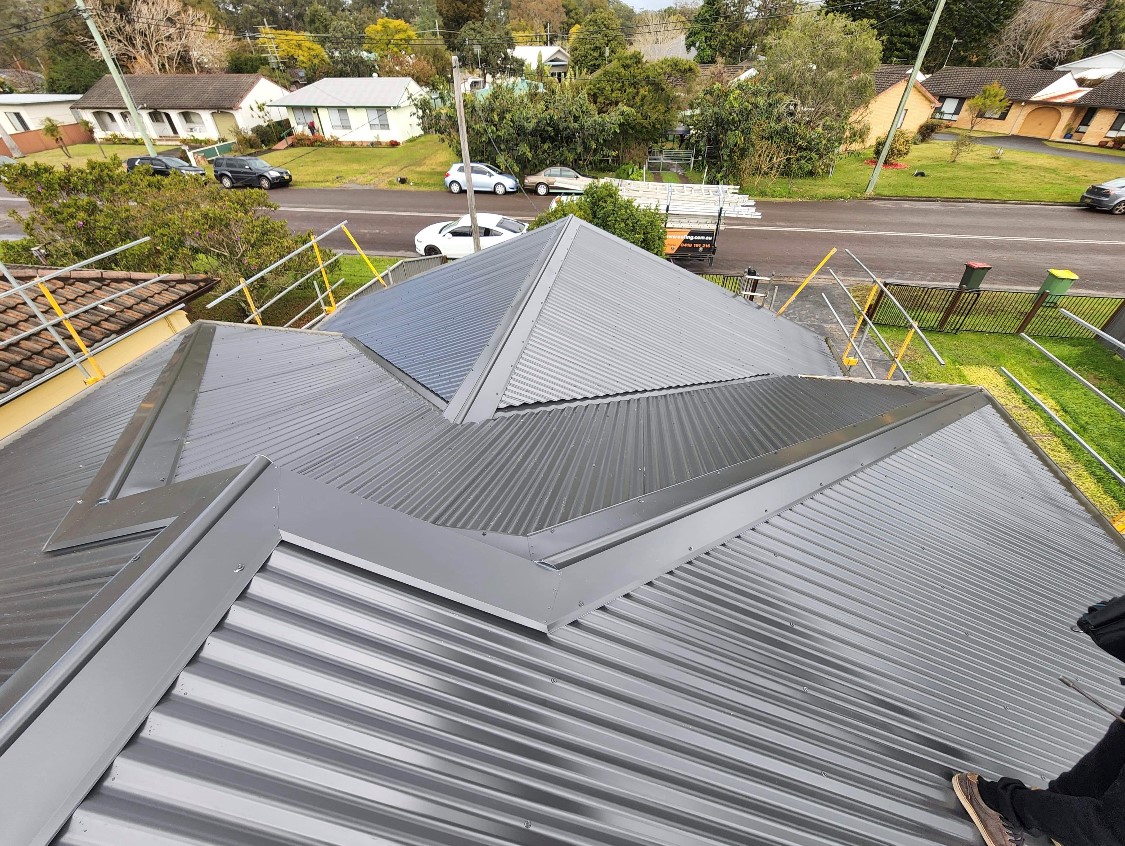
A roof plumber is a skilled tradesperson who deals with the water management systems on your roof. They work to keep your home dry and protected from water damage.
Roof plumbers install and maintain gutters, downpipes, flashings, and other roofing elements that direct rainwater away from your house.
You might wonder how a roof plumber differs from a regular plumber.
While both work with water systems, roof plumbers focus on external water flow.
They make sure rainwater drains off your roof effectively, preventing leaks and water buildup that could harm your home’s structure.
Roles and Responsibilities
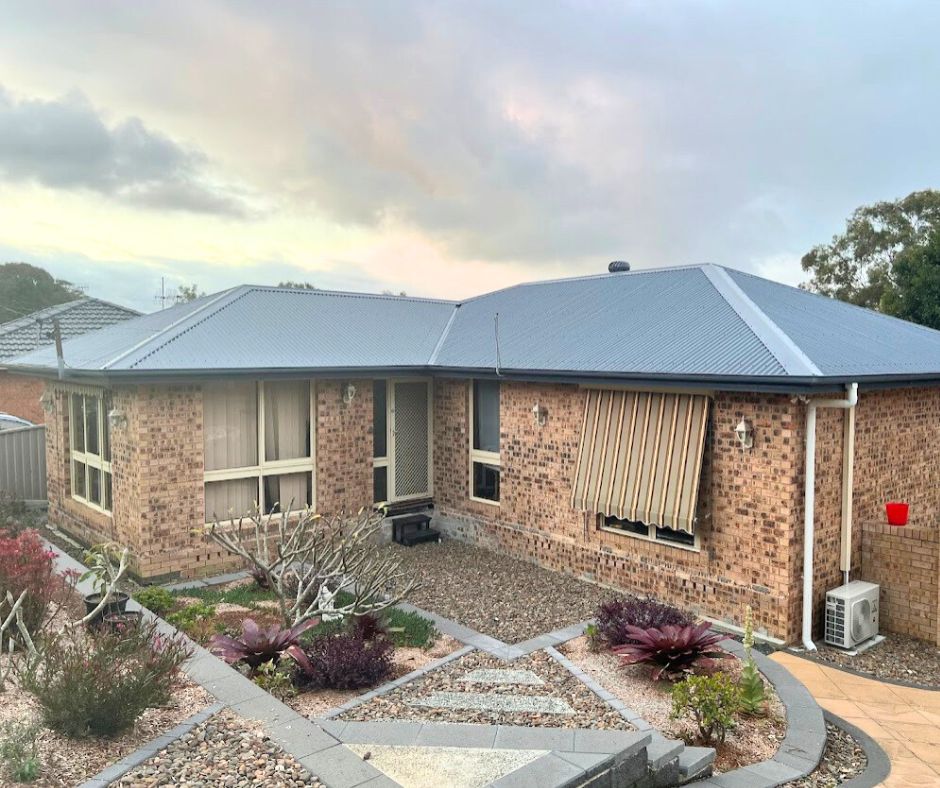
A roof plumber’s main job is to ensure water flows off your roof properly.
They must read and interpret technical diagrams for installing drainage systems at various angles. They also handle tasks like installing roof sheeting and wall cladding.
By hiring a roof plumber, you can ensure your home stays dry and protected from water-related issues.
Roof plumbers also:
- Repair roofs
- Replace damaged roof components
- Install rainwater tanks
- Maintain roof drainage systems
Choosing the right materials is crucial for a long-lasting roof drainage system. Your roof plumber will recommend the best options for your climate and roof type.
Training and Qualifications
Becoming a roof plumber requires specific education and licensing. You’ll need to complete formal training and obtain the necessary certifications to work in this specialised field.
To start your career as a roof plumber, you’ll need to complete a Certificate III in Roof Plumbing. The course typically includes both classroom learning and hands-on training. You’ll study topics like:
- Reading building plans
- Installing gutters and downpipes
- Working with metal roofing materials
- Safety procedures for working at heights
Safety Considerations in Roof Plumbing
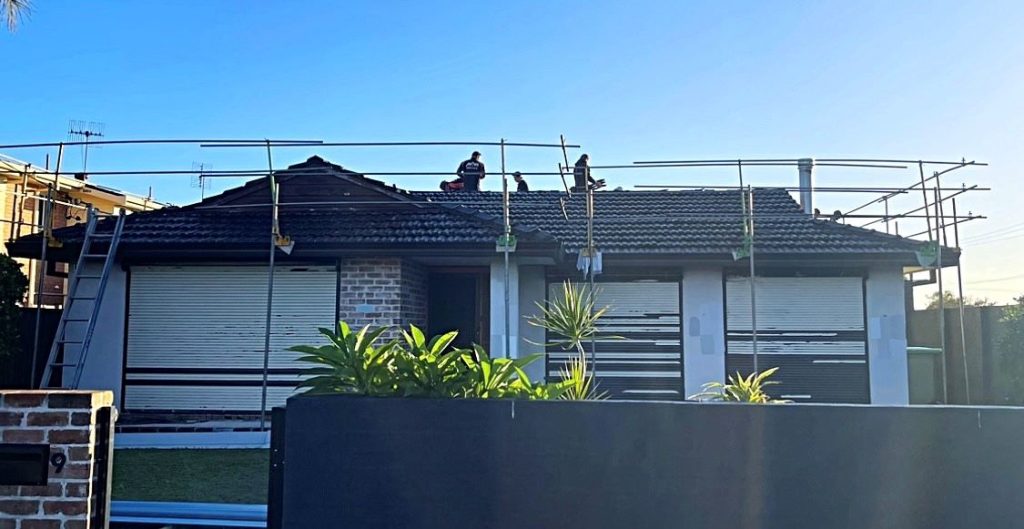
Roof plumbing involves working in high-risk environments. Proper safety measures are crucial to protect yourself and others on the job and the installation of edge protection ensures that the work site is kept safe and compliant.
New Roofing Installations
Roof plumbers specialize in installing gutters, downpipes, and rainwater harvesting systems.
For new builds, they work with architects and builders to design effective drainage systems. This includes choosing the right materials and sizing gutters and downpipes correctly.
Roof plumbers also install flashing around chimneys, skylights, and other roof penetrations. This prevents water from seeping into your home.
Complex Roof Designs
Modern architecture often features intricate roof structures. These designs can include multiple angles, levels, and materials.
Installing gutters, downpipes, and flashing becomes more complex with unusual shapes. You need problem-solving skills to create effective drainage systems for these roofs.


Roof Plumbing System Components
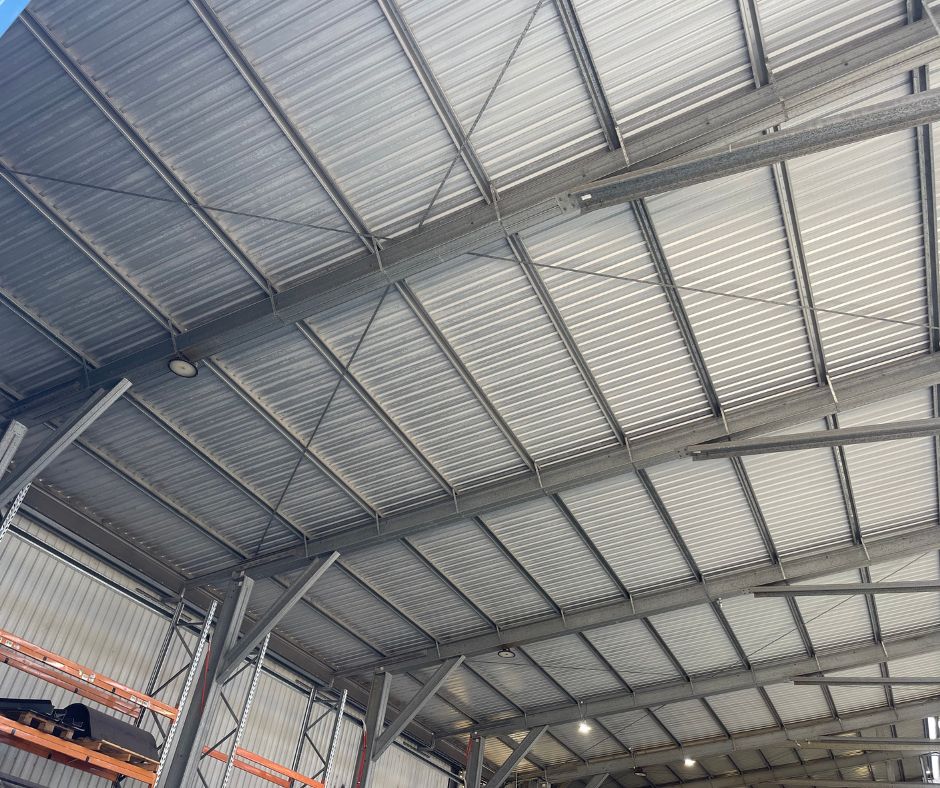
A roof plumbing system can have different components that function in sync to keep your home’s structures safe. The main components are-
Metal Roofing
We install Colorbond roofing that comes in 3 main profiles – Corrugated, Klip Lok and Trimdek. We can help you choose which profile is going to be best for your roof.
Gutters
The gutters collect and channel rainwater into the downpipes away from the roof and prevent the water from standing and damaging the structures.
Fascia Covers
These are covers that sit over a timber fascia board. The covers help to protect the timber from the elements and ensure that the gutters and fascia covers always look neat and functional
Downpipes
Downpipes take the rainwater from the gutters down into the storm water system. Adding leaf diverters helps to keep leaf debris from building up inside the downpipes.
Whirly Birds
Are a popular addition to residential and commercial roofs. Whirly Birds help to increase the airflow and ventilation creating more efficient heating and cooling for your building.
Roof Flashing
Roof flashing ensures water does not leak through critical entry points. They are typically used as a waterproof flexible barrier where the roof meets other structures.

Understanding Roof Plumbing for Different Roof Types
Each roof type has unique structural designs and water flow requirements.
Roof Plumbing for Metal Roofing
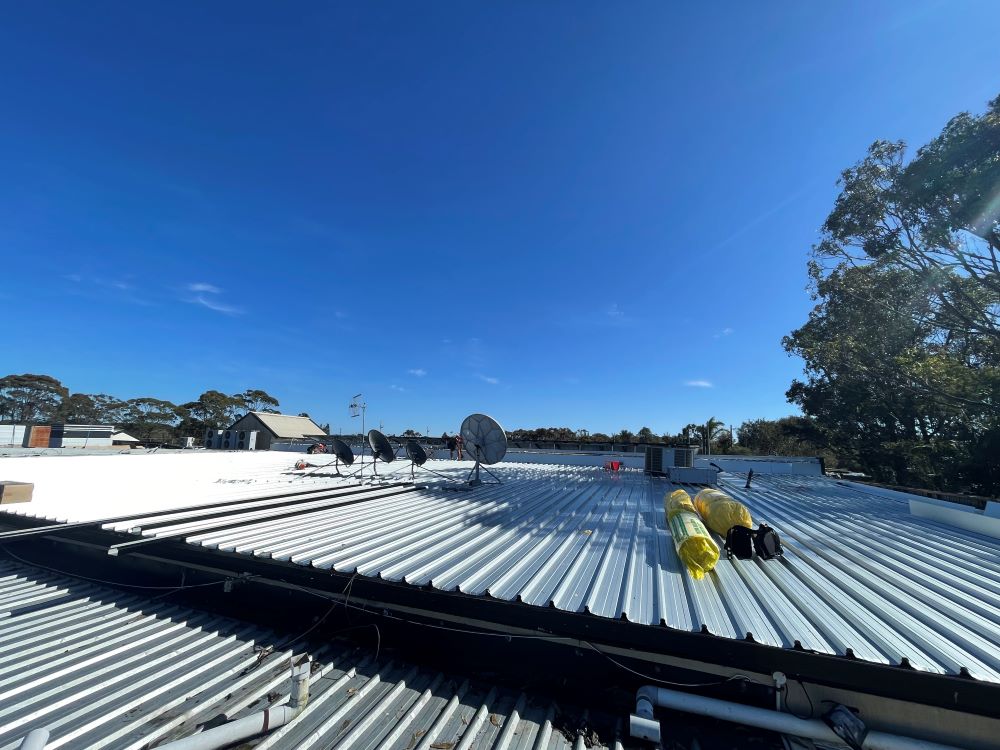
Metal roofs like Colorbond® need skilled roof plumbers to have all roofing sheets laid correctly and the correct rivets and screws applied. Keeping the metal sheets watertight means there can be no gaps or holes.
Metal roofs have faster water run off than a tile roof and the right guttering system must be installed so rainfall can be efficiently channeled into the down pipes downpipes and into the storm water drainage.
Roof Plumbing for Tile Roofing
Tile roofs can be made of concrete, metal, or terracotta. Like metal roofs, tile roofing requires protection against water leakage and it is important that all the tiles are in good condition with no breaks or cracks. Tile roofs need to have well executed pointing and capping that sits on the roof peak. Flashings are used around chimneys or vents. rain water travels more slowly across a tile roof and this is taken into consideration when selecting the gutter profiles and downpipes.
Roof Plumbing for Flat Roofing
Water cannot flow off a completely flat roofs, so there must be a degree of fall so that the building does not have ongoing roofing problems each time it rains. Using metal roofing profiles like Klip Lok. Box Gutters may also be considered as a way to create effective drainage where roofing sections are joined.
Common Signs of Roof Plumbing Issues
Some minor signs might tell you to fix your roof issues, which can become significant if left unnoticed.
- Visible water stains on ceiling or walls
- Broken flashing, sagging, or missing tiles
- Mould growing inside your home
- Water leaking inside the home
- Dampness or discolouration on ceilings or walls
- Gutters or downpipes blocked with leaves and debris
- Cracked gutters or deteriorating flashing
Why is it Important to Hire a Professional Roof Plumber? And What Do They Do?
Roof plumbers can bring the best outcome for your property. Such as:
- Roof plumbers are an accredited trade
- They help prevent potential roof issues
- Professional roof plumbers must follow building codes and regulations
- Reputed roof plumbers offer upfront pricing
A skilled and experienced roof plumber can identify your roof’s plumbing needs according to the climate and temperature.
The key responsibilities of a roofing plumber:
- Understand the layout of a plumbing system and suggest the right materials
- Installing gutters, flashings, and other components
- Setting up a rainwater collection system
- Installing the metal roof sheeting
Why Choose AWS Roofing for Your Property?
A well installed and maintained roof and guttering system is key to ensuring your home’s pristine condition and extended life span.
And to achieve this goal, get in contact with AWS Roofing.
We’re a fully licensed and insured professional team in Central Coast. With us, you get warranties on products and workmanship – so you can rest assured.
Once contacted, we will assess your roof and give you some new roofing options


